Modernist Minimalism: Clean Lines and Simplicity
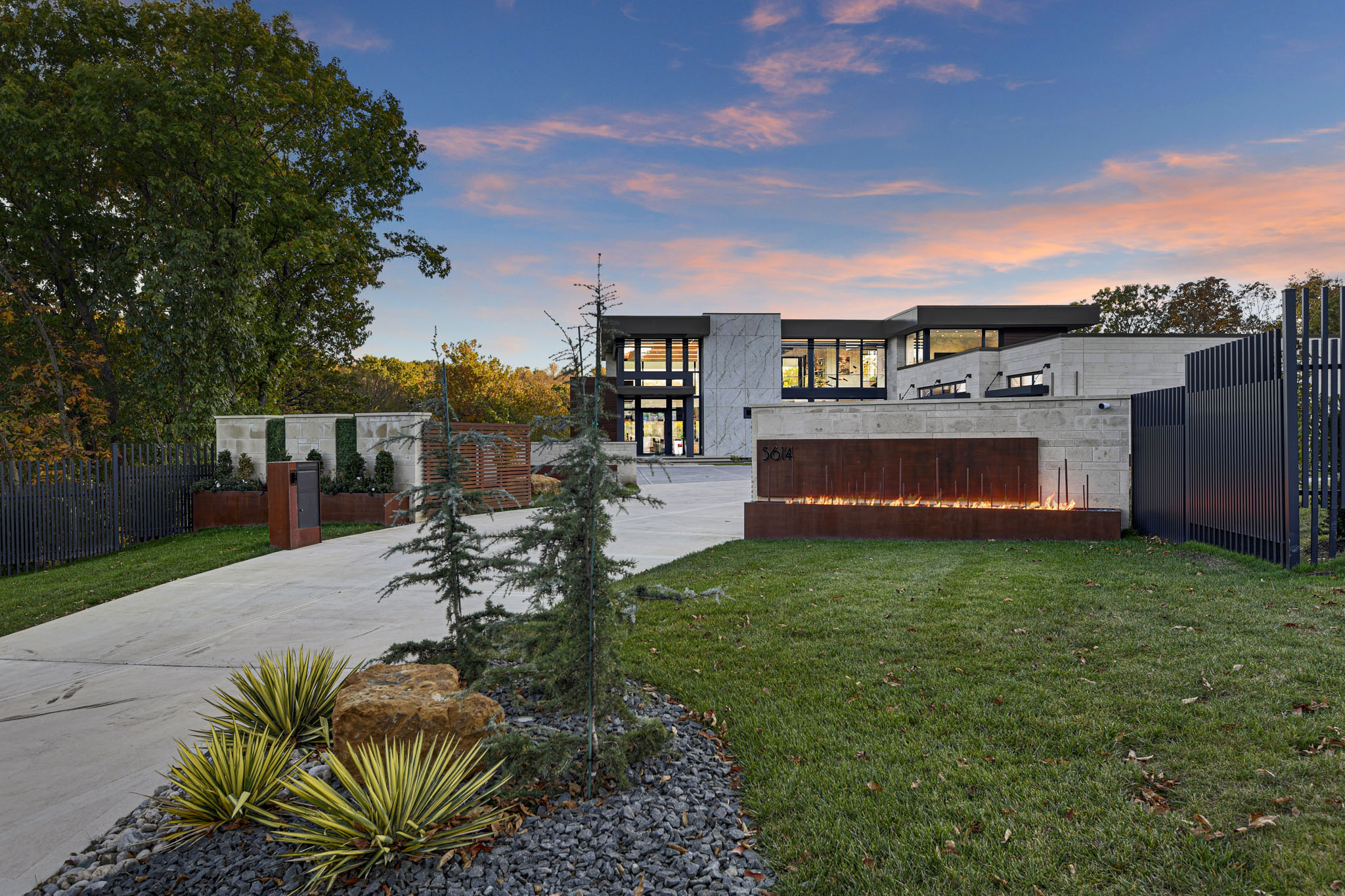
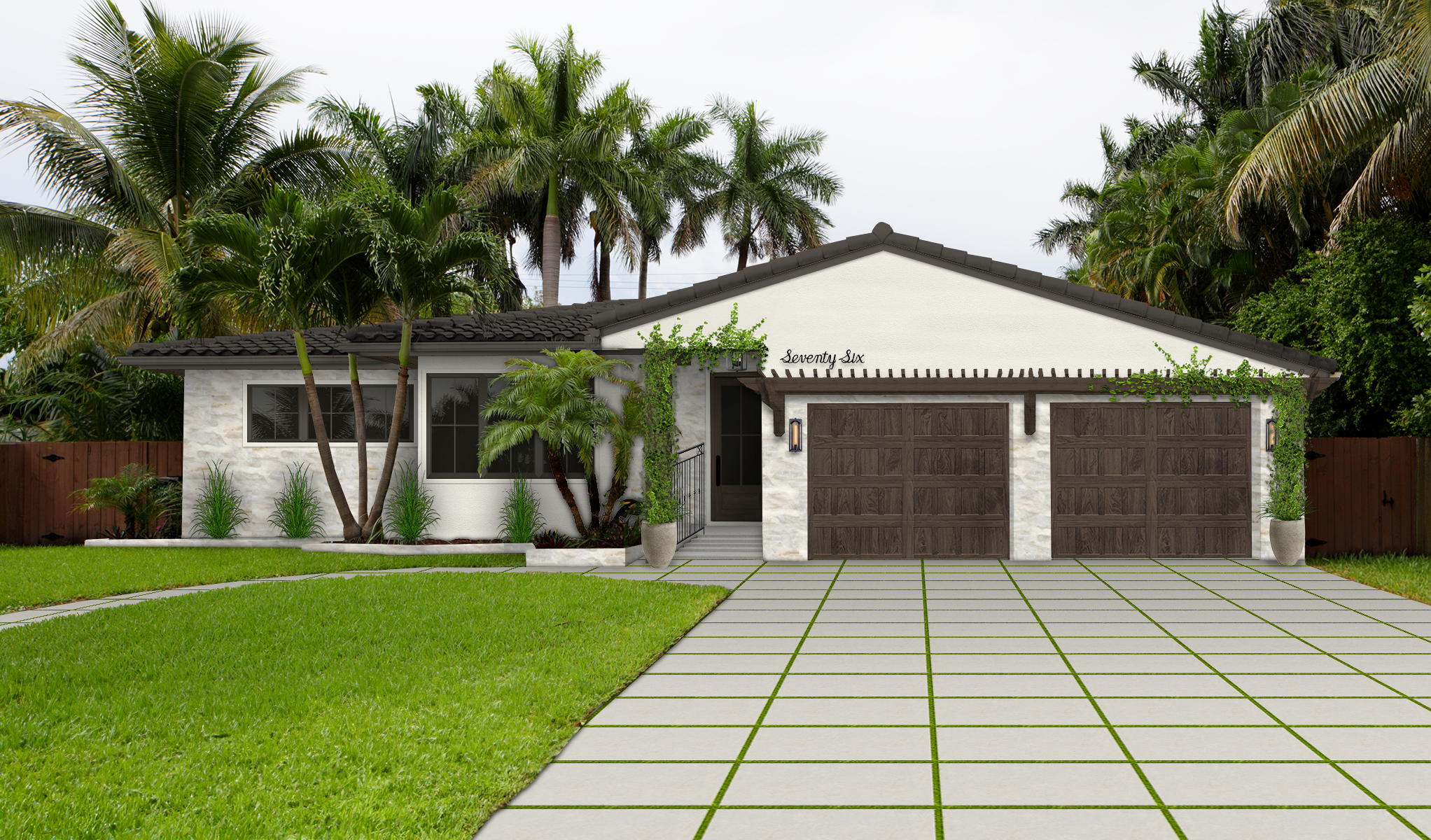
Modernist exteriors are known for clean lines, flat roofs, large windows, and the use of materials like concrete, glass, and steel. Minimalistic landscaping complements the architectural style, creating a harmonious and uncluttered appearance.
Clean Lines: These clean lines create a sense of order, simplicity, and clarity in modern structures. They emphasize the principle that "form follows function," where the design of a building is driven by its intended purpose. The absence of excessive embellishments and intricate detailing allows these lines to stand out, highlighting the inherent beauty in simplicity.
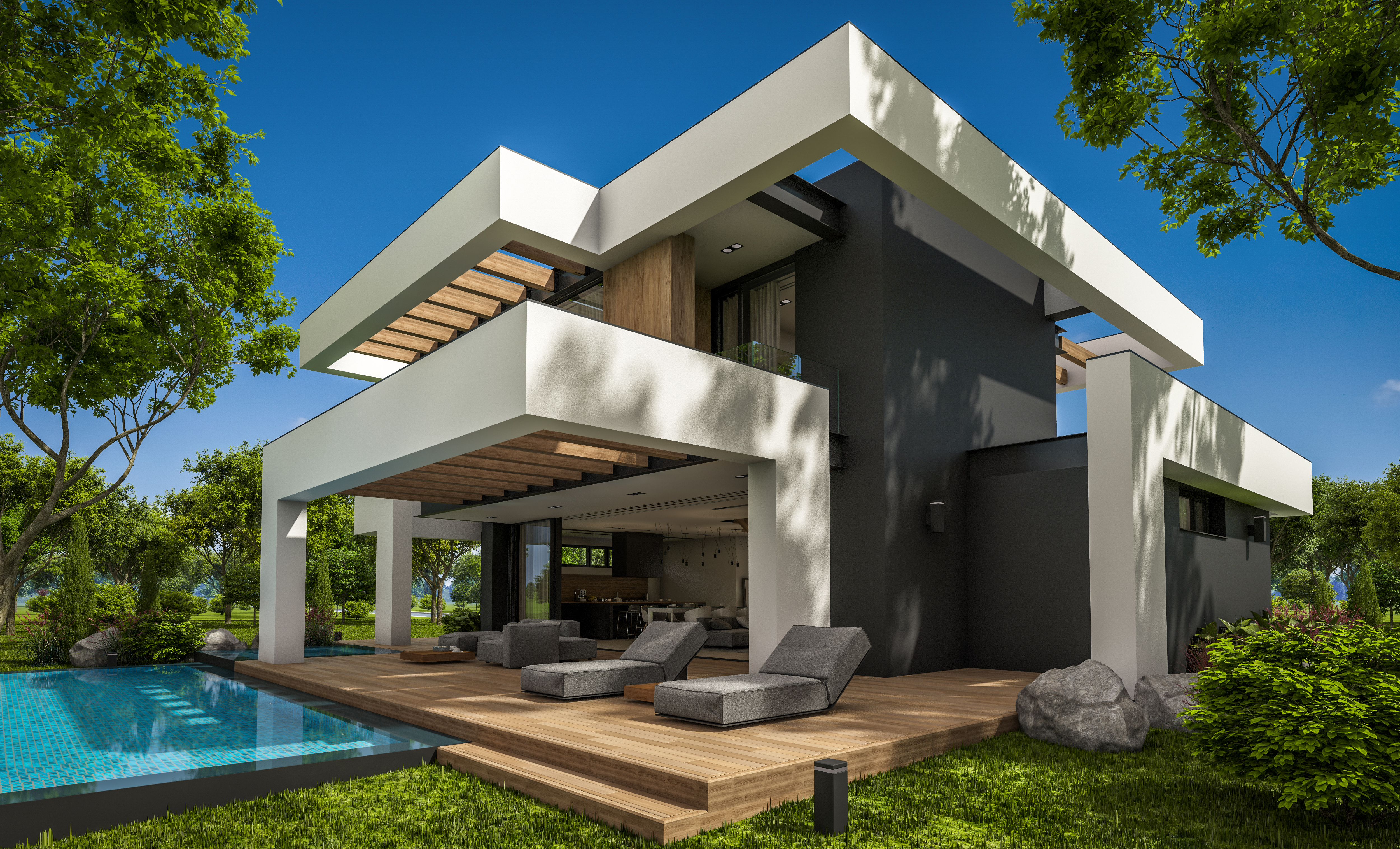
Flat roofs: The sleek, horizontal profiles often define the aesthetic of contemporary buildings, promoting a sense of simplicity and efficiency. These roofs serve as a platform for integrating sustainable features like solar panels, green roofs, and rooftop gardens, aligning with the environmentally conscious ethos of modern design. While offering additional usable space, they also provide a canvas for architectural creativity, enabling architects to experiment with new materials and visually striking elements. In essence, flat roofs in modern architecture embody the fusion of form and function, offering a distinctive and adaptable solution for today's architectural landscape.
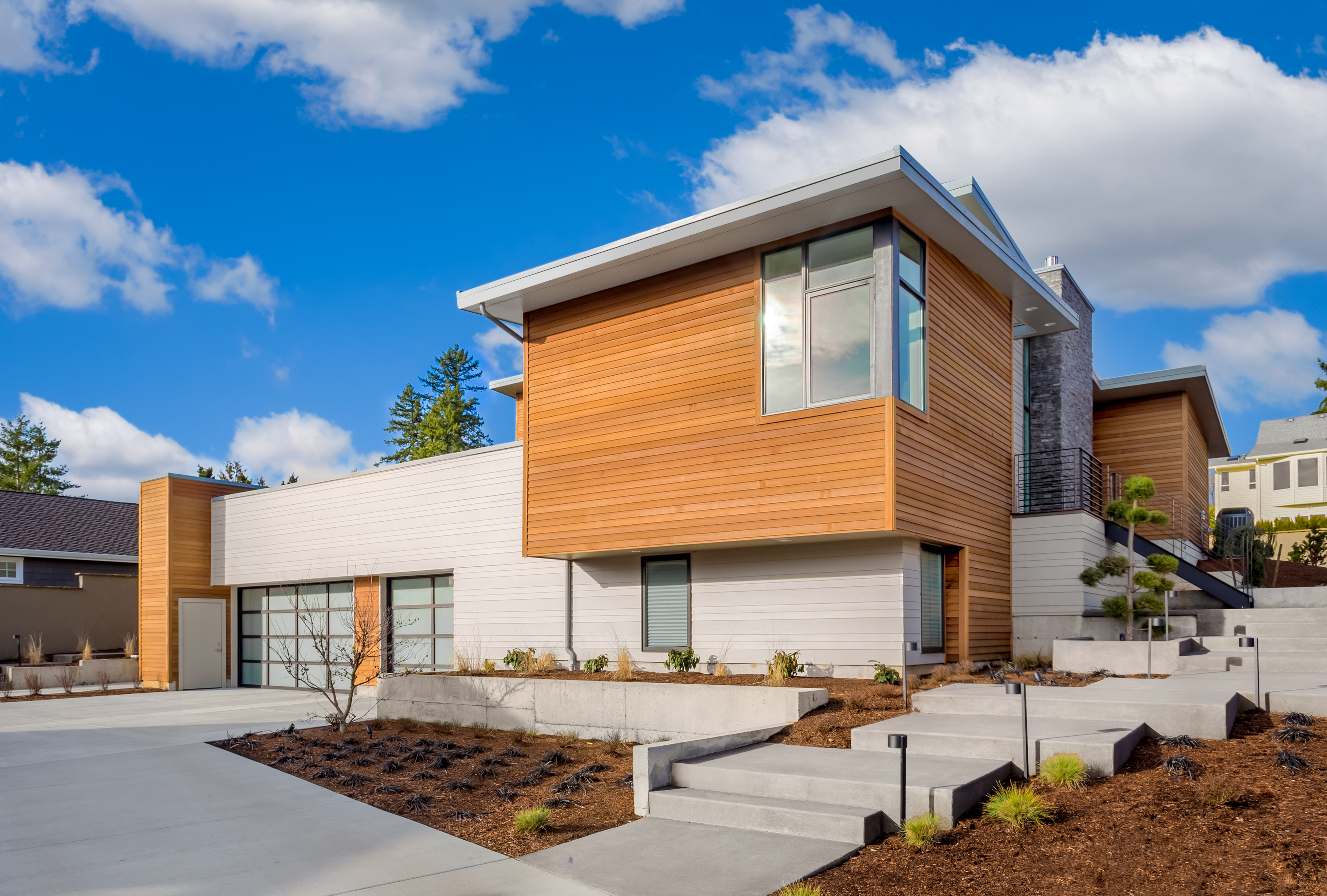
Large Windows: Large windows are a striking feature of modernist exteriors. They serve several essential purposes, including maximizing natural light, blurring the boundaries between indoor and outdoor spaces, and connecting occupants with their surroundings. These expansive windows often frame picturesque views and create a sense of openness within the living spaces, enhancing the overall quality of life for residents.
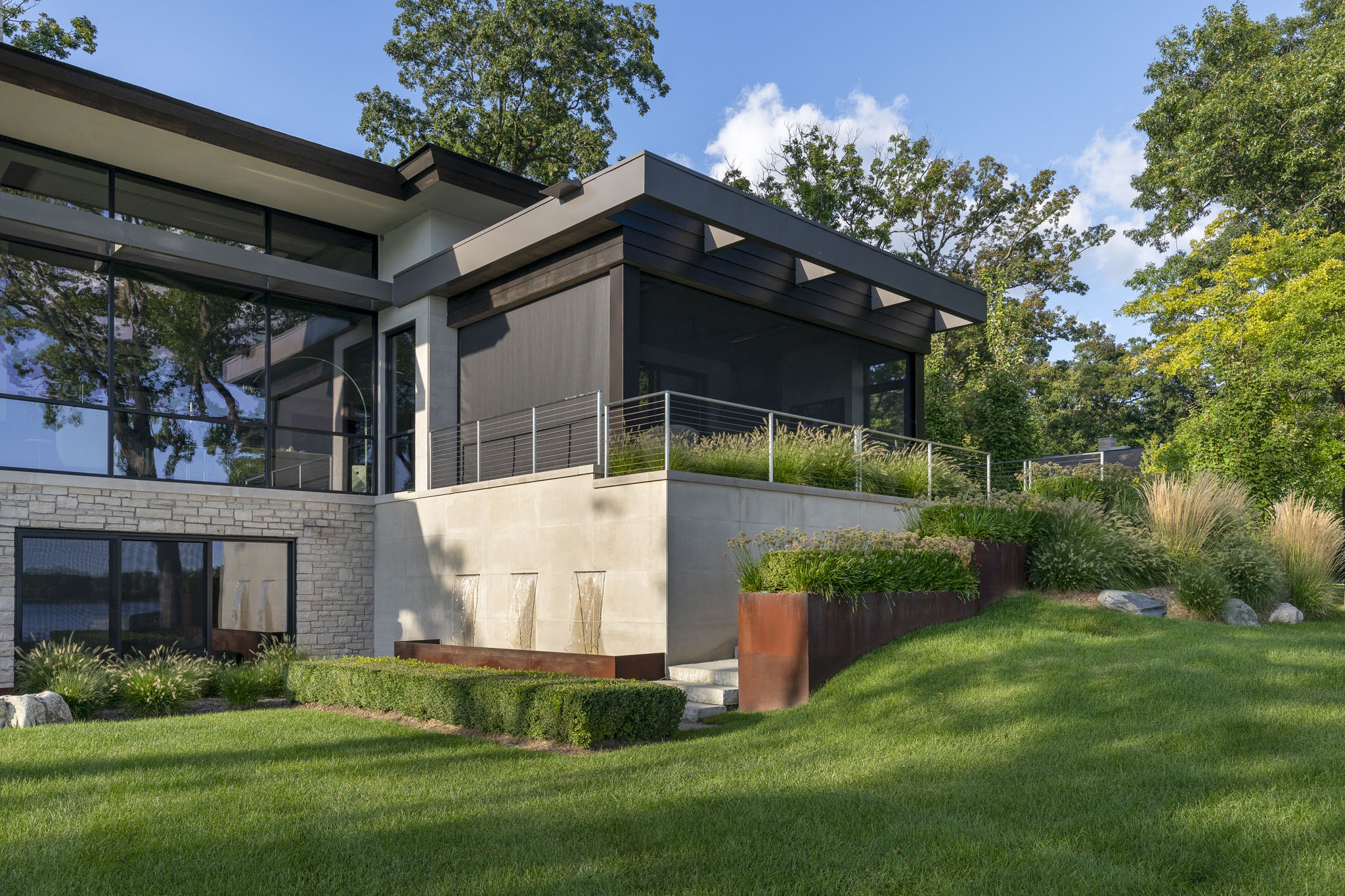
Modern Materials: Modernist architects favor a select palette that includes materials such as stucco, concrete, glass, steel, and wood. Concrete offers a sense of solidity and permanence while allowing for innovative forms and structures. Glass, on the other hand, provides transparency and a sense of lightness, allowing the interior to merge with the exterior. Steel, with its strength and versatility, allows for the creation of intricate structural designs and large open spaces. Wood, and Stucco can be used to break up the cladding and enhance the sleek and minimalistic appearance of these homes.
This approach to architecture not only creates visually striking exteriors but also fosters a sense of clarity and purpose in the spaces we inhabit. The combination of clean lines, flat roofs, large windows, and thoughtful landscaping offers a timeless appeal that continues to inspire designers and homeowners.
Mediterranean Revival: Elegance and Warmth
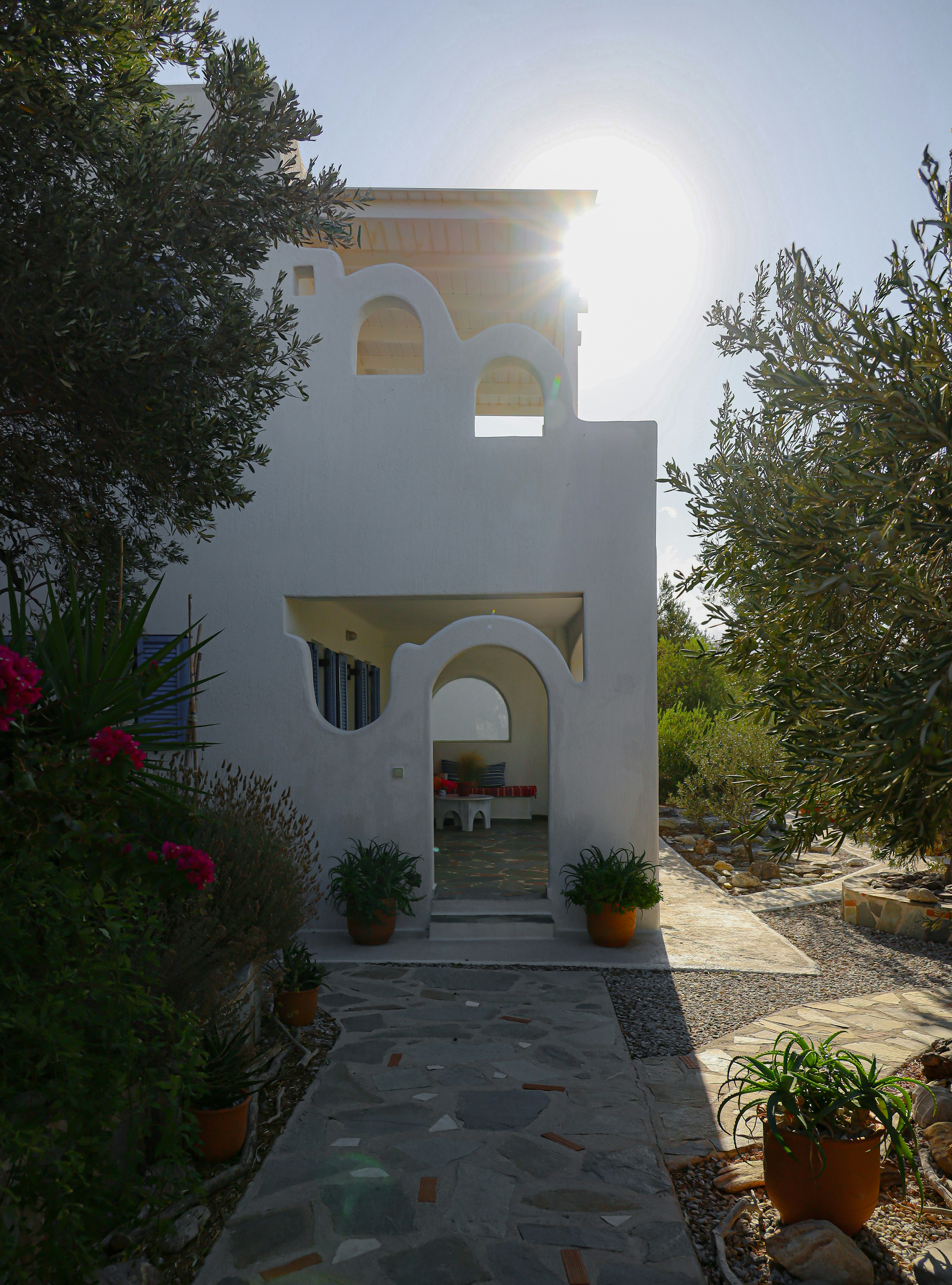
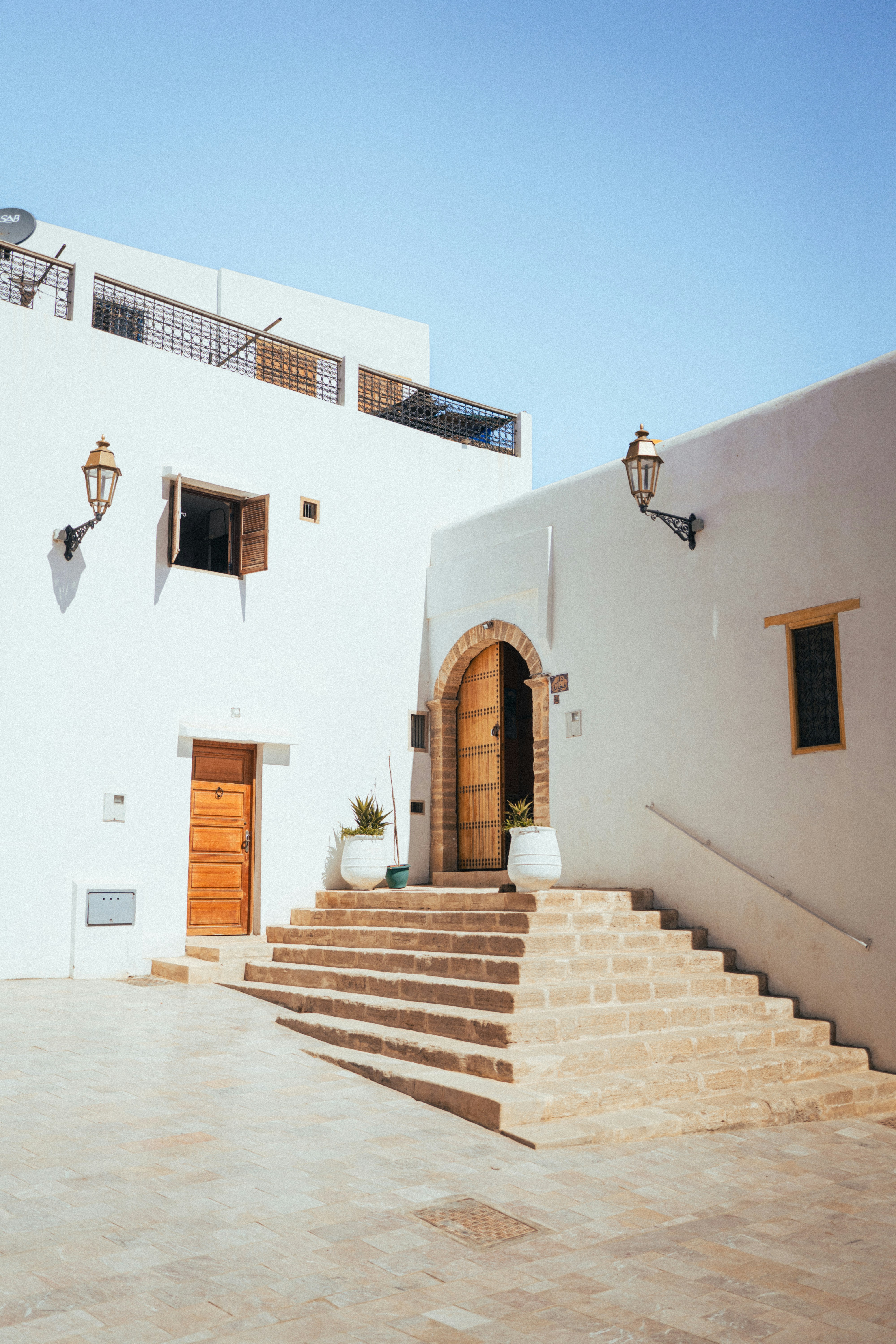
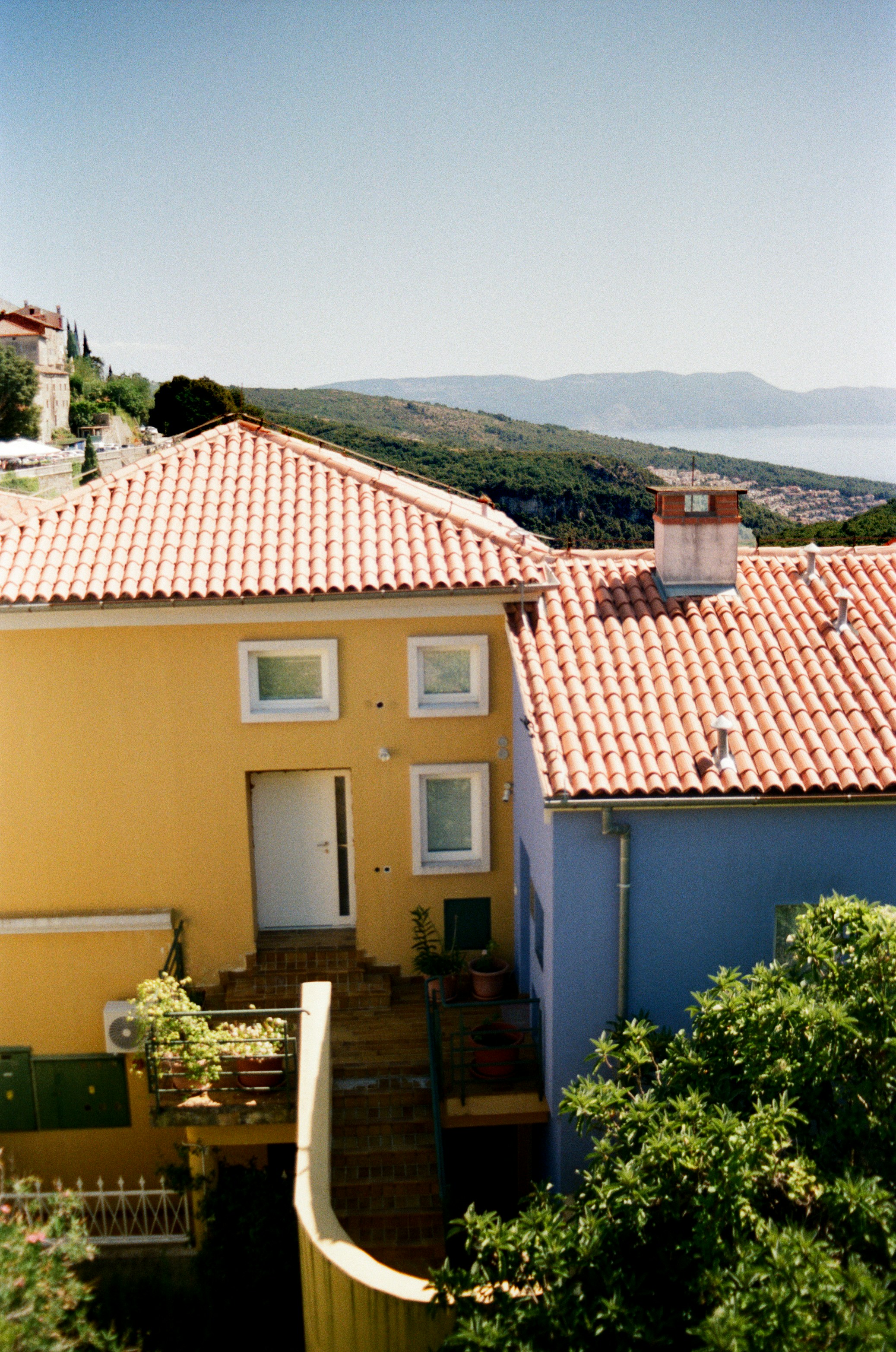
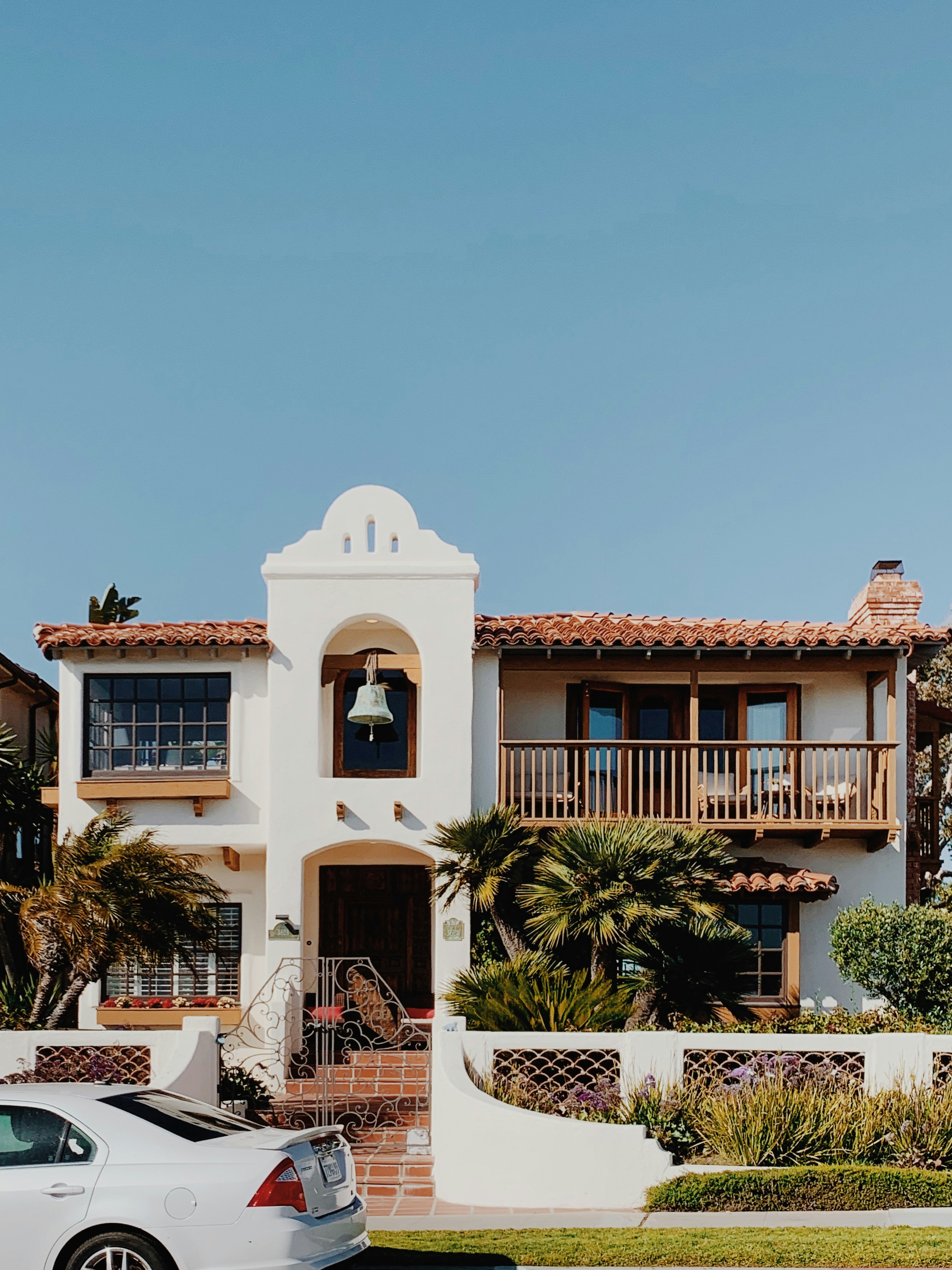
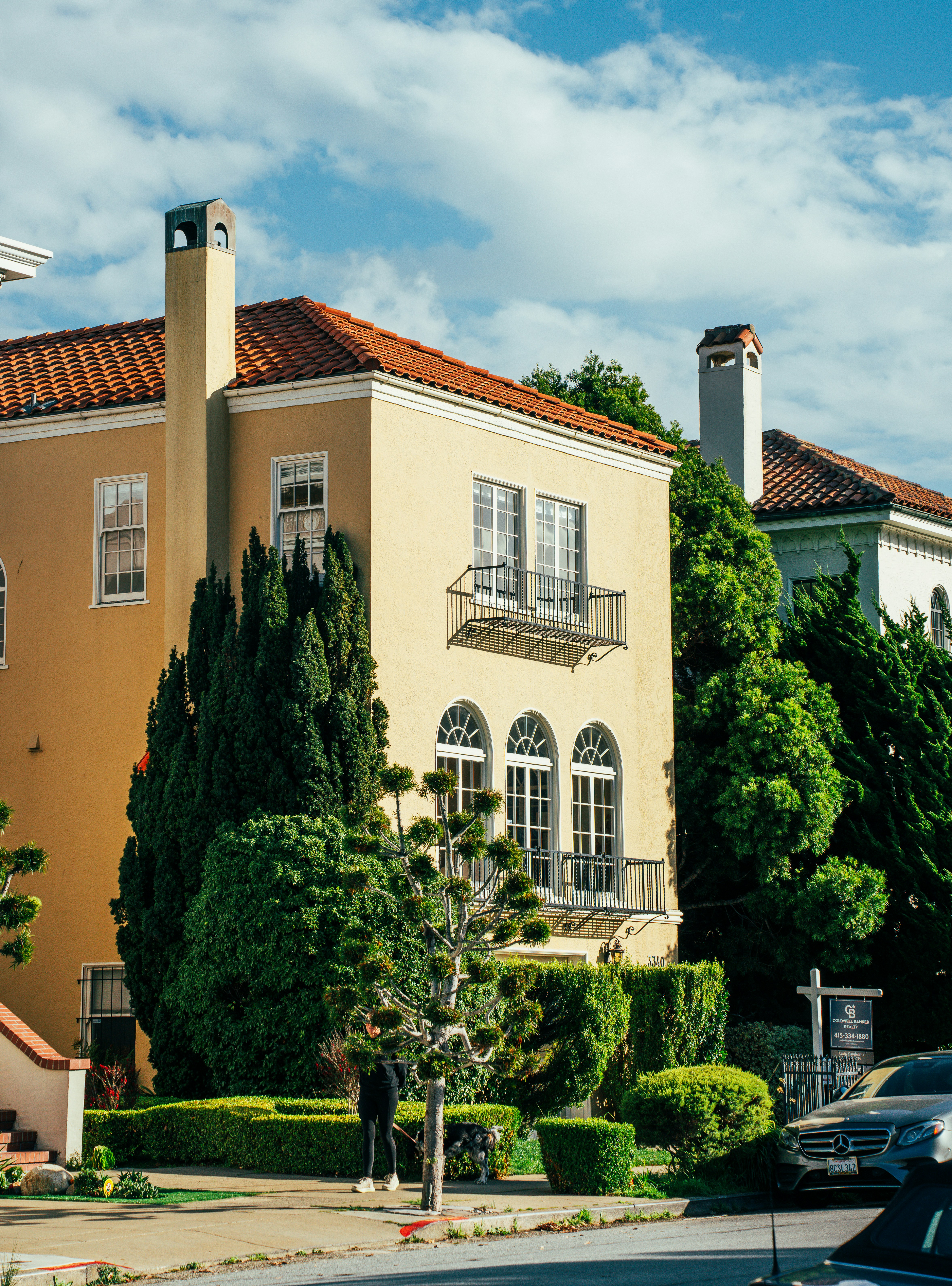
Mediterranean Revival draws inspiration from Southern European countries like Spain and Italy. Its influence can be seen in stucco exteriors, red-tiled roofs, arched doorways, and wrought iron accents. Lush gardens, colorful tiles, and ornate fountains often enhance the inviting and warm exterior design.
Stucco: At the heart of Mediterranean Revival architecture are stucco exteriors that exude a sense of timelessness. The use of stucco not only serves as a durable and weather-resistant material but also imparts a rustic, textured appearance to the exterior walls. This textured surface, when paired with a warm, earthy color palette, creates an inviting and welcoming ambiance reminiscent of Mediterranean villas.
Tiled Roof: One of the most iconic features of this architectural style is the distinctive red-tiled roof. These terracotta tiles not only provide an aesthetically pleasing contrast to the stucco walls but also serve a practical purpose by reflecting the sun's heat, helping to keep the interior cool. The combination of stucco exteriors and red-tiled roofs is instantly recognizable and evokes a sense of romanticism and warmth.
Arched Features: Mediterranean Revival architecture is known for its arched doorways and windows, which add an element of grace and sophistication to the exterior. These arches, often framed with decorative moldings, are inspired by the architectural traditions of the Mediterranean region. They create a sense of grandeur and draw the eye, inviting visitors to step inside and explore the beauty of the interior spaces.
Wrought iron: accents are another hallmark of Mediterranean Revival design. These intricate, handcrafted details can be found in various elements, from decorative railings to ornate light fixtures. Wrought iron not only adds a touch of elegance but also pays homage to the artisanal craftsmanship of the Mediterranean, where such ironwork has a long and rich history.
Landscape: To further enhance the inviting and warm exterior design, Mediterranean Revival homes often feature lush gardens and courtyards. These outdoor spaces are thoughtfully landscaped with a variety of Mediterranean plants and trees, such as olive and citrus trees, bougainvillea, and lavender. Colorful tiles, often used for pathways and decorative accents, introduce a vibrant and playful element to the landscaping, creating a feast for the eyes.
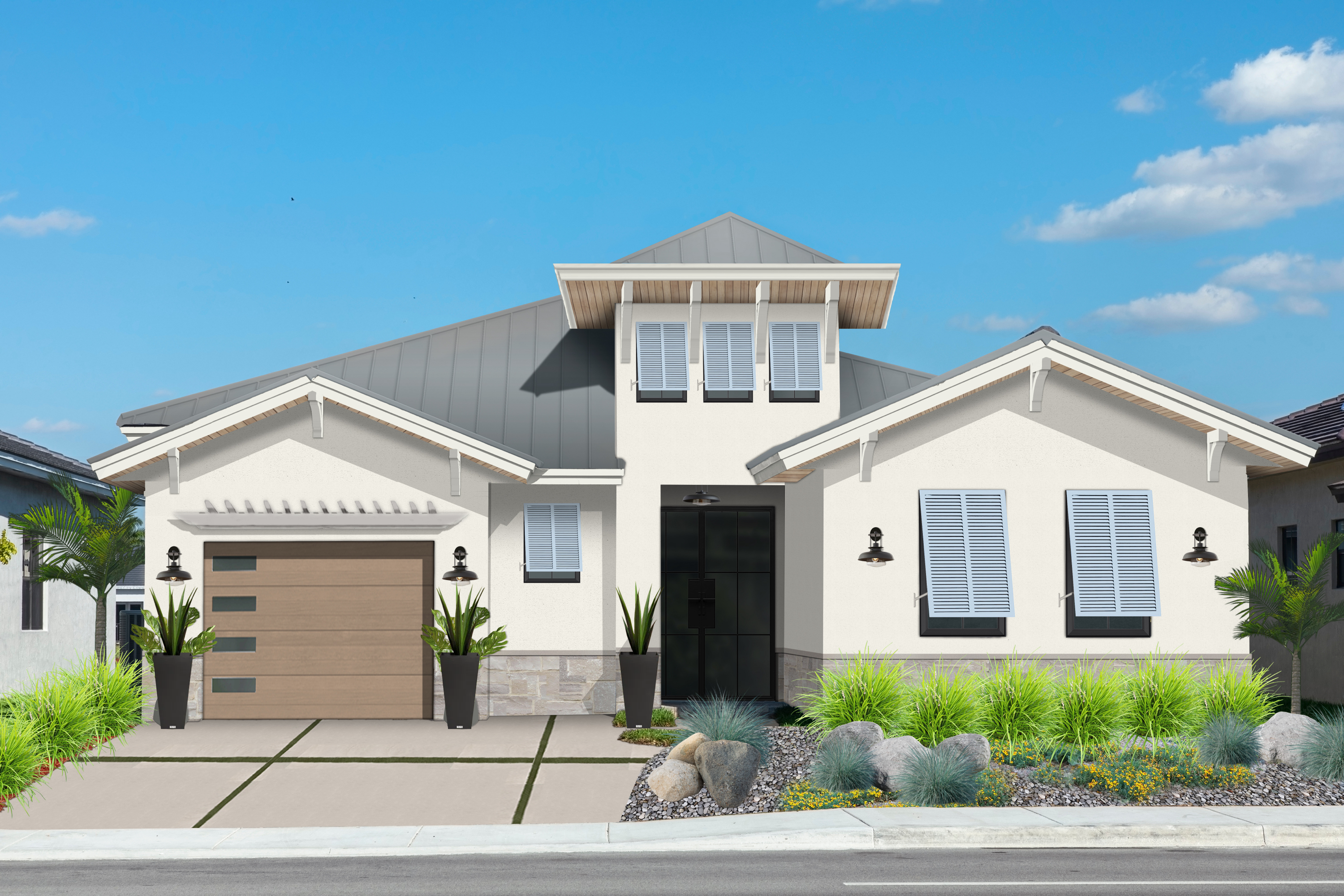
In conclusion, Mediterranean Revival architecture beautifully captures the elegance and warmth of Southern European countries like Spain and Italy. Its stucco exteriors, red-tiled roofs, arched doorways, and wrought iron accents create a sense of timelessness and sophistication. The lush gardens, colorful tiles, and ornate fountains that often accompany these homes complete the picture, inviting us to experience the allure of Mediterranean living right in our own homes. This architectural style is a testament to the enduring appeal of Old World charm and continues to inspire homeowners seeking to infuse their living spaces with a touch of Mediterranean magic.
Mid-Century Modern: Timeless, Retro, Cool
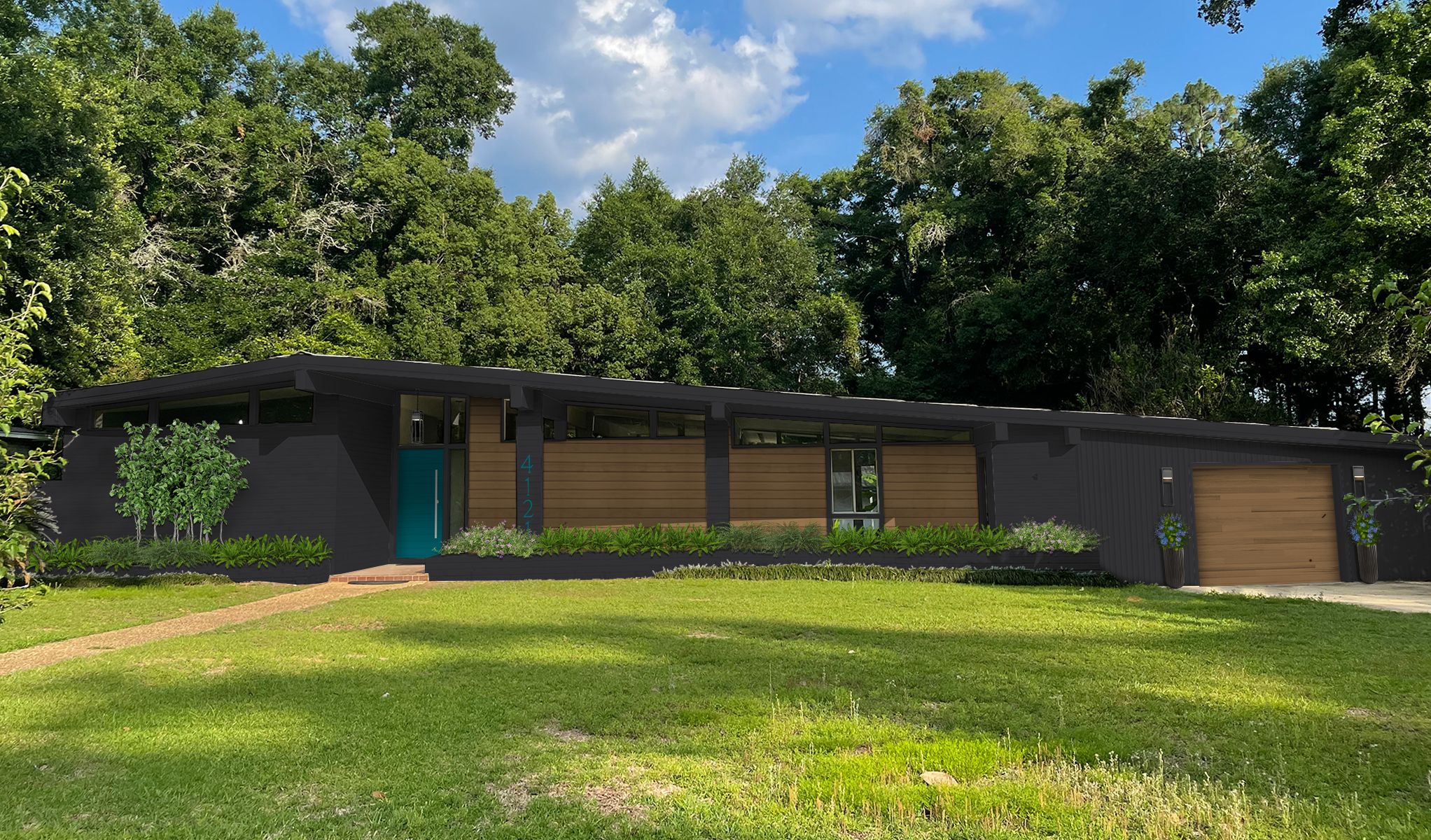
Mid-century modern exteriors are a nod to the postwar era's design sensibilities. They often feature flat planes, large windows, and minimalistic forms. The use of materials like natural wood and stone adds warmth to the clean and sleek design, creating a timeless retro cool aesthetic.
Simplicity: One of the hallmarks of mid-century modern exteriors is their unmistakable simplicity. These homes often boast flat planes that effortlessly blend into their surroundings, creating a sense of harmony between the structure and nature. The design prioritizes spaciousness, using large windows that let natural light flood the interior and offer picturesque views of the outdoors.
Clean: Minimalistic forms are a defining feature of mid-century modern exteriors. Clean lines, geometric shapes, and a sense of openness define the aesthetic. The result is a timeless elegance that transcends the decades, making mid-century modern homes just as relevant and appealing today as they were in the 1950s and 1960s.
Materials: play a pivotal role in achieving the mid-century modern look. Natural wood, with its warm and inviting qualities, is often used for cladding, paneling, and even ceilings. Stone accents, carefully integrated into the design, bring an earthy texture that complements the clean and sleek lines of the structure. These materials not only add visual interest but also create a welcoming atmosphere that makes you feel right
at home.
The beauty of mid-century modern exteriors lies in their ability to marry nostalgia with contemporary living. They are a testament to the enduring allure of retro coolness. So whether you're a fan of design history or simply appreciate the timelessness of clean, functional aesthetics, mid-century modern homes continue to inspire and captivate with their enduring charm.
Architectural styles are a testament to the rich diversity of design concepts and inspirations that have shaped our built environment. From the timeless elegance of colonial homes to the innovative and expressive nature of contemporary designs, each architectural style brings a unique flavor to exterior design. As homeowners and architects alike draw inspiration from these styles, they continue to shape the aesthetics of our homes and buildings, creating a visual tapestry that reflects our evolving tastes and appreciation for architectural beauty. Whether you're drawn to the classic charm of colonial homes or the sleek lines of modern design, architectural styles serve as a source of inspiration and a canvas for creativity in exterior design. See the best exterior design for your architectural style with Dzinly.

_1768319005.jpg)
_1768324486.jpg)



No comment on this post.