There are a variety of choices when it comes to building or renovating your house that may mean you have a hard time deciding on what materials are best used for the home exterior. Vinyl siding, brick, steel, cedar shingles, stucco and other materials can all be incorporated when renovating the outside of your home. Online visual tools can help you choose the best material to purchase for your home exterior.
Factors to Consider When Choosing Building Materials
There is no single solution when it comes to choosing construction materials. When selecting building materials, it is important to consider the aesthetic appeal as well as initial and ongoing costs. There are several factors that should be considered before purchasing:
? Climate. Think about the climate zone you are going to build. Some construction materials work better for certain zones. A combination of materials based on environmental characteristics is the best.
? Time. Another consideration is the time you have available to complete the project. Some materials may take longer to install, depending on where they will be placed on the house.
? Budget. With so many building materials offered, you might be tempted by cheaper options, but keep in mind these do not always last. The heavier or bulkier the materials are, the more costly the transportation costs will be which adds to the overall total price.
? Availability. With current supply chain delays for many materials, select a material that will not be subject to delivery delays and hold up the project, which could cost more in the long run.
? Durability. Building materials should be able to adapt to the weather conditions that they are exposed to. Some materials deteriorate faster than others, particularly in a wet climate.
Choosing materials that will not compromise the environment or run out in the future might also be important to you so look for ones that are renewable or replaceable or can be recycled.
6 Types of Materials to Consider in Your Home’s Exterior
Depending on your preferences, you might gravitate toward one material over another. Here are six popular options to consider.
1. Wood
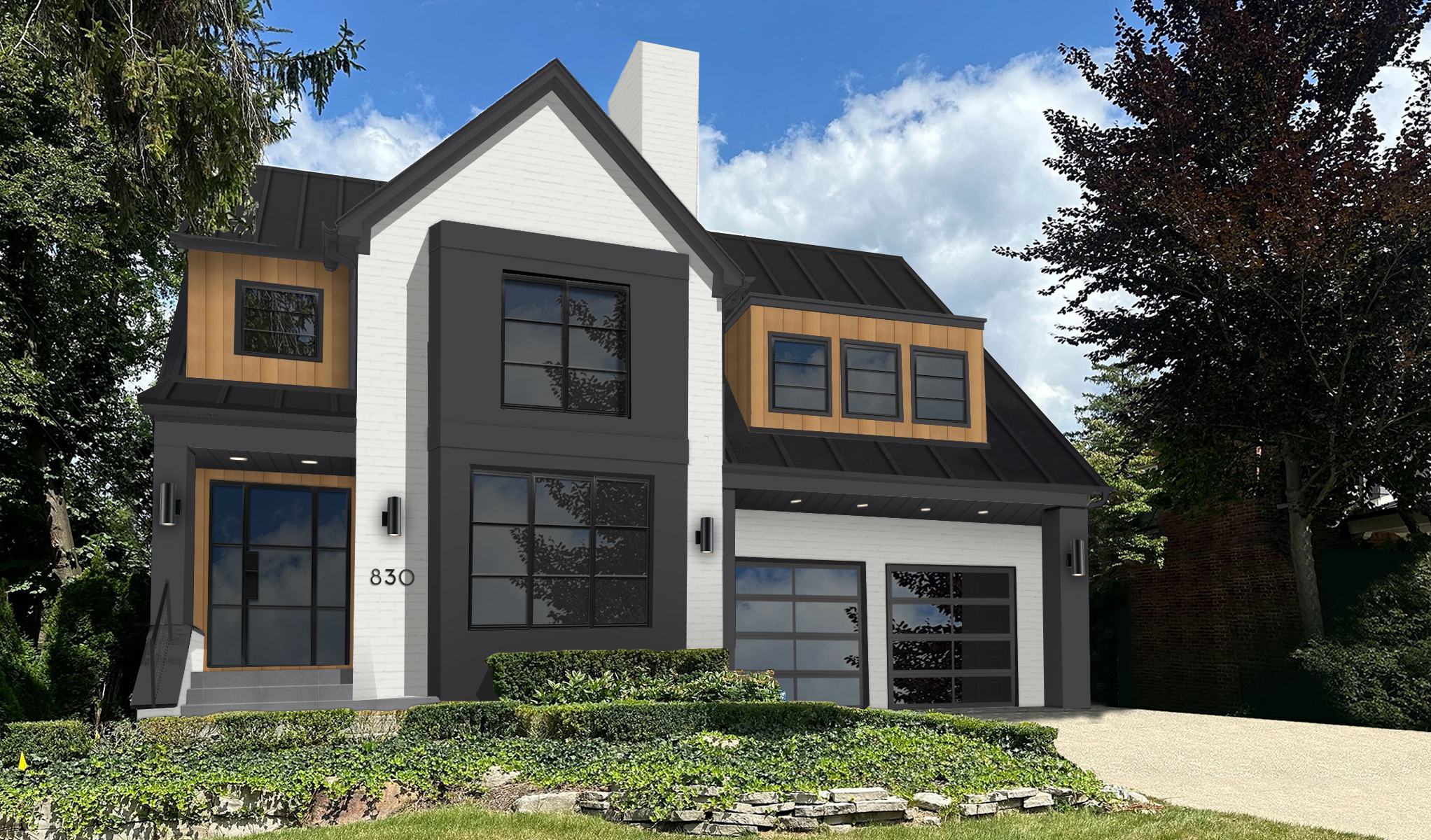
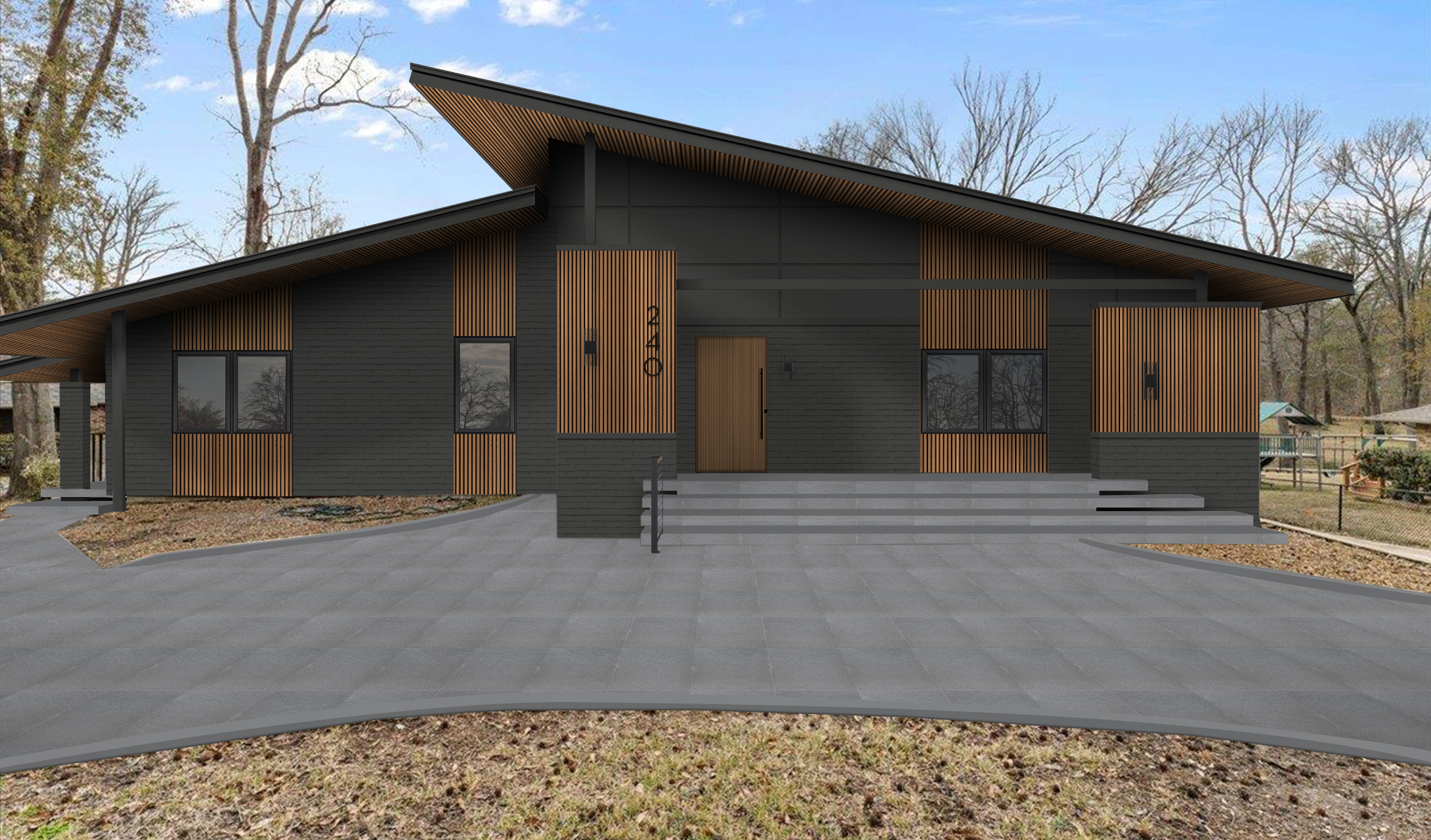
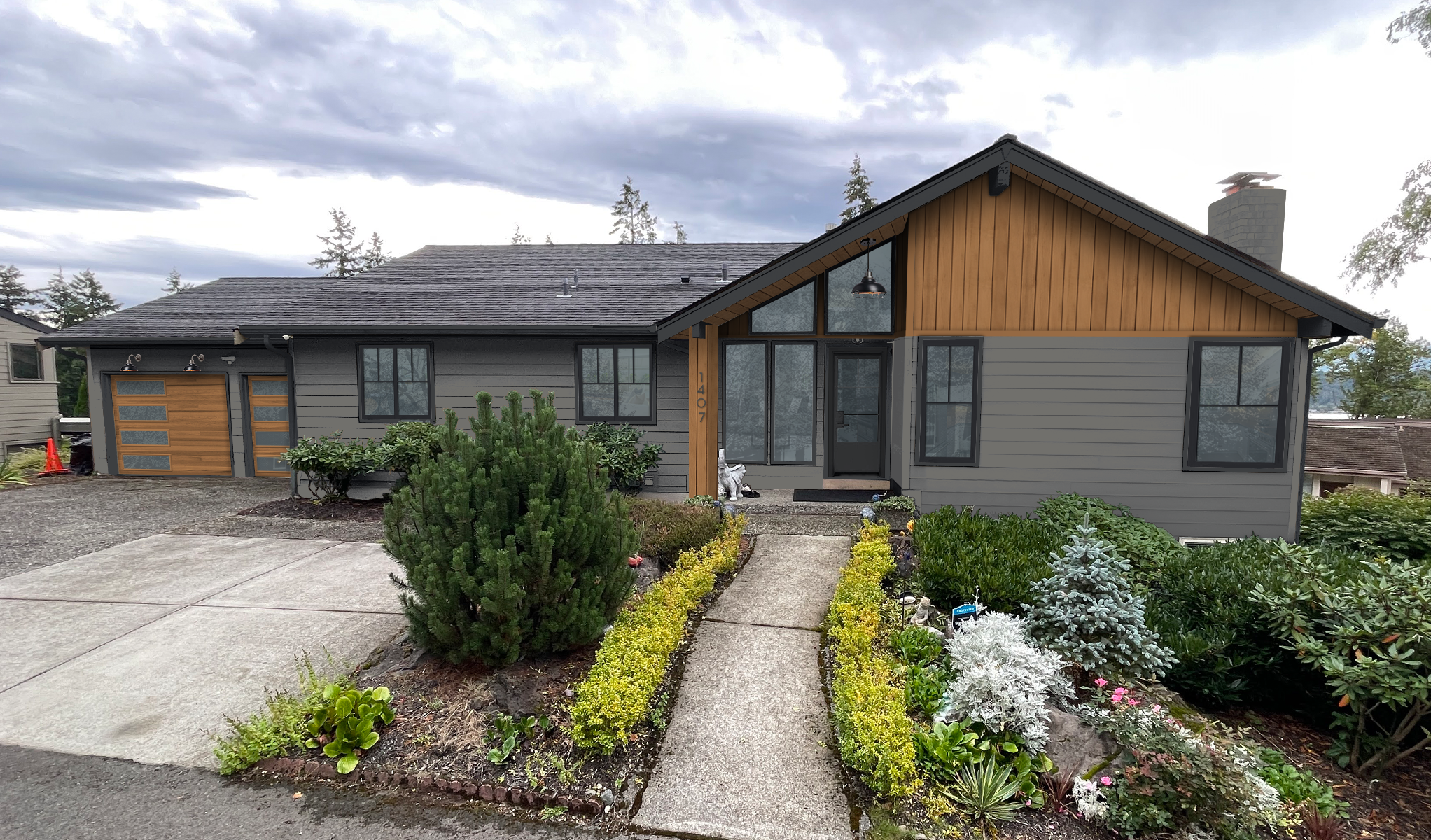
Wood is a timeless choice for the exterior of a home. There are many ways to incorporate wood into the exterior of your home. The use of wood creates a natural connection with the surrounding landscape. This material can be used as a subtle touch or as for the entire exterior wall.
Siding: Wood can be used for the siding in a variety of ways for the entire house or just for sections of it. For example, horizontally aligned rain-screen siding is a modern look. Wood panels come in so many colors and styles, so the combinations are endless.
Fencing: Whether building a full picket fence along the property line for privacy or to help enclose patio seating, wood is a great material for outdoor fencing. The wood should be treated with a stain or paint that is made specifically for the outdoors so it holds up against the elements.
Espalier: For a touch of wood, consider an espalier, which is a garden feature that trains trees or shrubs to grow their branches or vines in a pattern against a wall or fence. It can be used in both formal gardens or small urban spaces to add visual interest or create privacy screening.
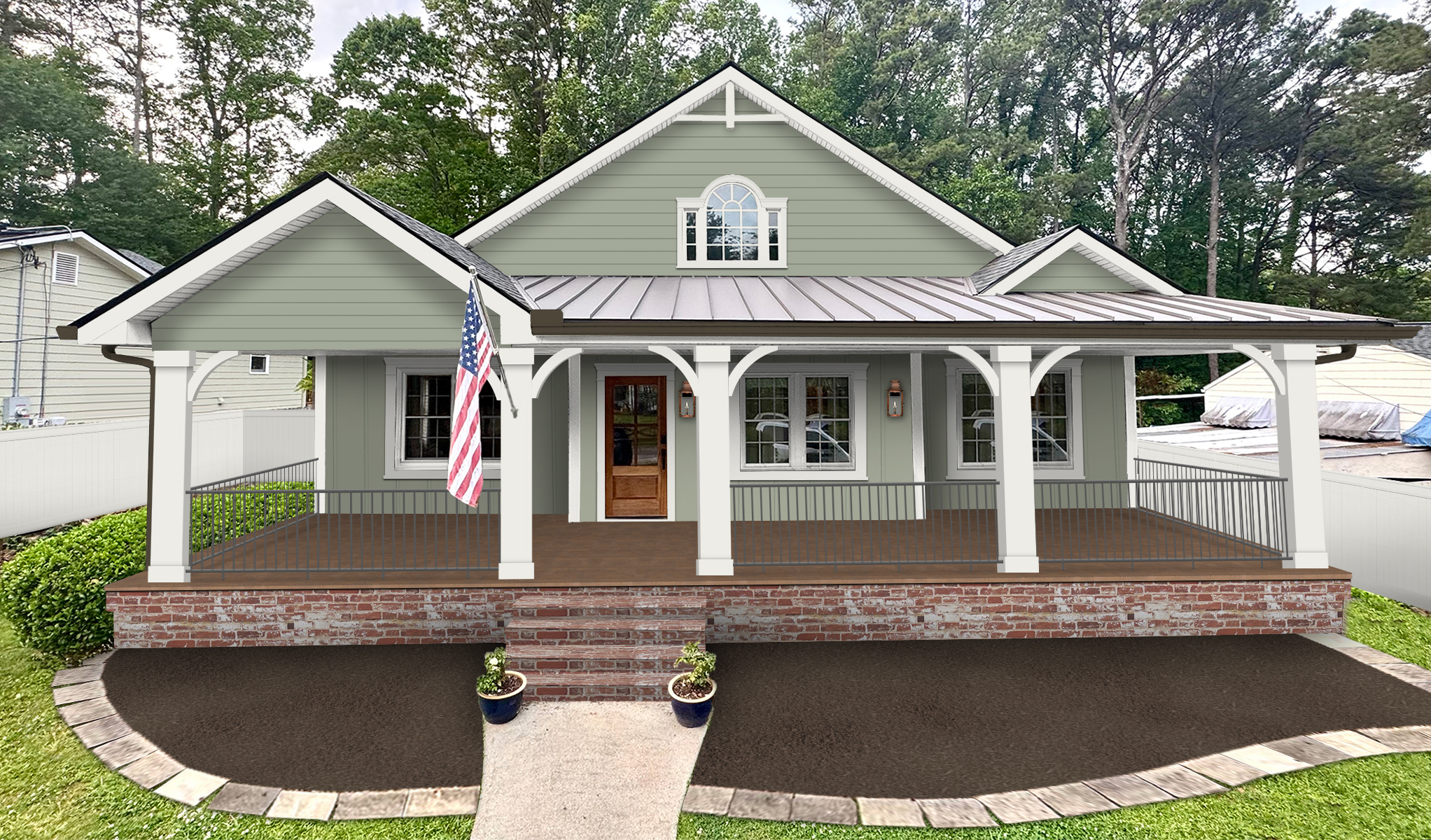
Wooden Posts: One of the most common ways to add wood to the exterior is wood posts on porches. They can be straight with clean lines or more ornate with curves on either the front or side porch.
Shutters: Wooden shutters add a nice detail to a painted home or one with siding. Stain and poly will preserve the life of the wood, so they stand up to weather elements longer.
Headers or Lintels: You can use wood headers or lintels above the windows. Custom size blocks that extend a little past each window draws the eye to the windows as focal points.
When using wood around the exterior of your home, keep in mind that the type of wood should be relatively weather resistant. Cedar, Cypress, and Redwood are able to withstand different weather conditions as compared to some other wood types.
2. Pediments
A pediment is a triangular gable that is used on a house for ornamentation. The use of pediments can be used in many home styles, although it was derived from Greek and Roman styles. Pediments are used to create a solid and stately feel. They are often used in residential buildings above windows and doorways. Pediments give a sense of tradition to a home and are simple
The most common pediment shape is one that is pointed, a triangle with a framed ledge with an apex at the top. They are also broken, where the triangular outline is open at the top, segmental which are round or curved, and open where the use of a strong horizontal line is absent.
Pediments can be supported by pilasters on either side of the entry. They can be painted the same color as the exterior wall or a bolder color with a contrasting trim color, so the pediment really stands out.
3. Metal Roof
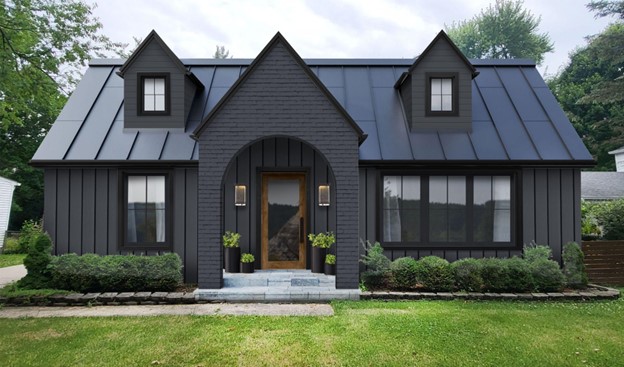
Metal roofing can add to the aesthetics and functionality of your home. One of the main benefits of a metal roof is that it is durable against hail and wind, and helps the snow and rain naturally slide off the roof. Some metals, like steel, are environmentally friendly and can be recycled repeatedly without losing strength.
The latest techniques in metal roofing include automated roll-forming, coatings, sealants, and fastening systems which has lowered the cost of steel roofing. It has also increased its versatility as the variety of colors, textures, and styles that are now available have multiplied.
Many homeowners choose metal roofing over other roofing materials like asphalt shingles and clay tiles because it is particularly sturdy and gives a nice visual aesthetic. Metal roofs are often used in both modern and coastal style homes.
4. Accent Roof
Small accents can make a large impact on the appearance of a home, but it can be difficult to choose the accents that best compliment the exterior of your home. Accent roofs are a way to add interest to a home, without having to spend what you would on an entire roof.
There are several different material options for a metal roof. Depending on the exterior of the home, a metal accent roof can make the home stand out and enhance smaller areas of the home. Steel, for example, is available in over 50 colors so the roof can either match or contrast the home’s color palette.
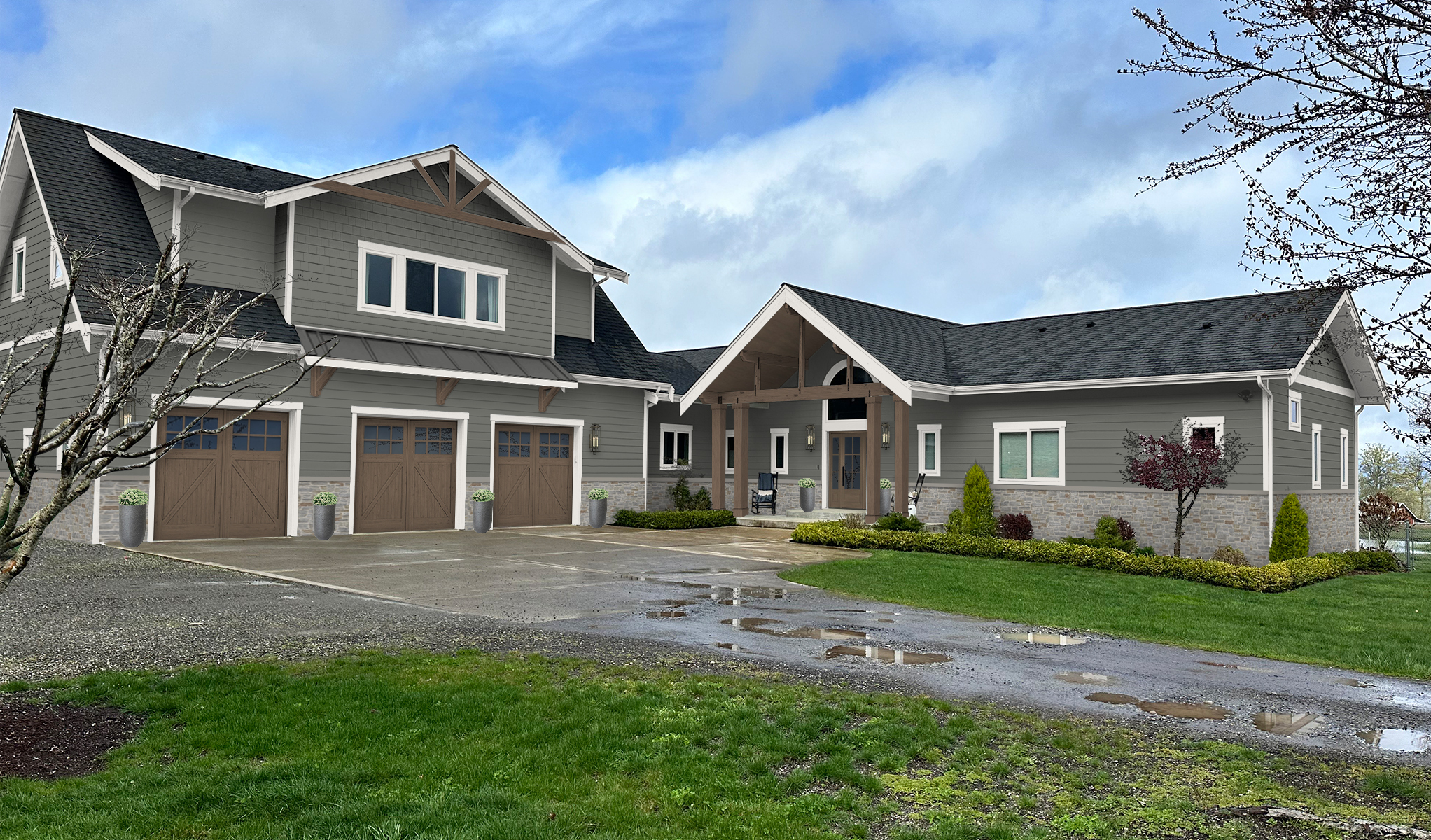
Some of the most common places to have metal accents are on the porch roof, over a bay window, dormer, or portico. An accent roof can also be used to highlight an addition or the garage. The metal accent roof draws the eye to the area you would like to highlight. The placement of dormer windows makes them an ideal choice for an accent roof.
5. Stone
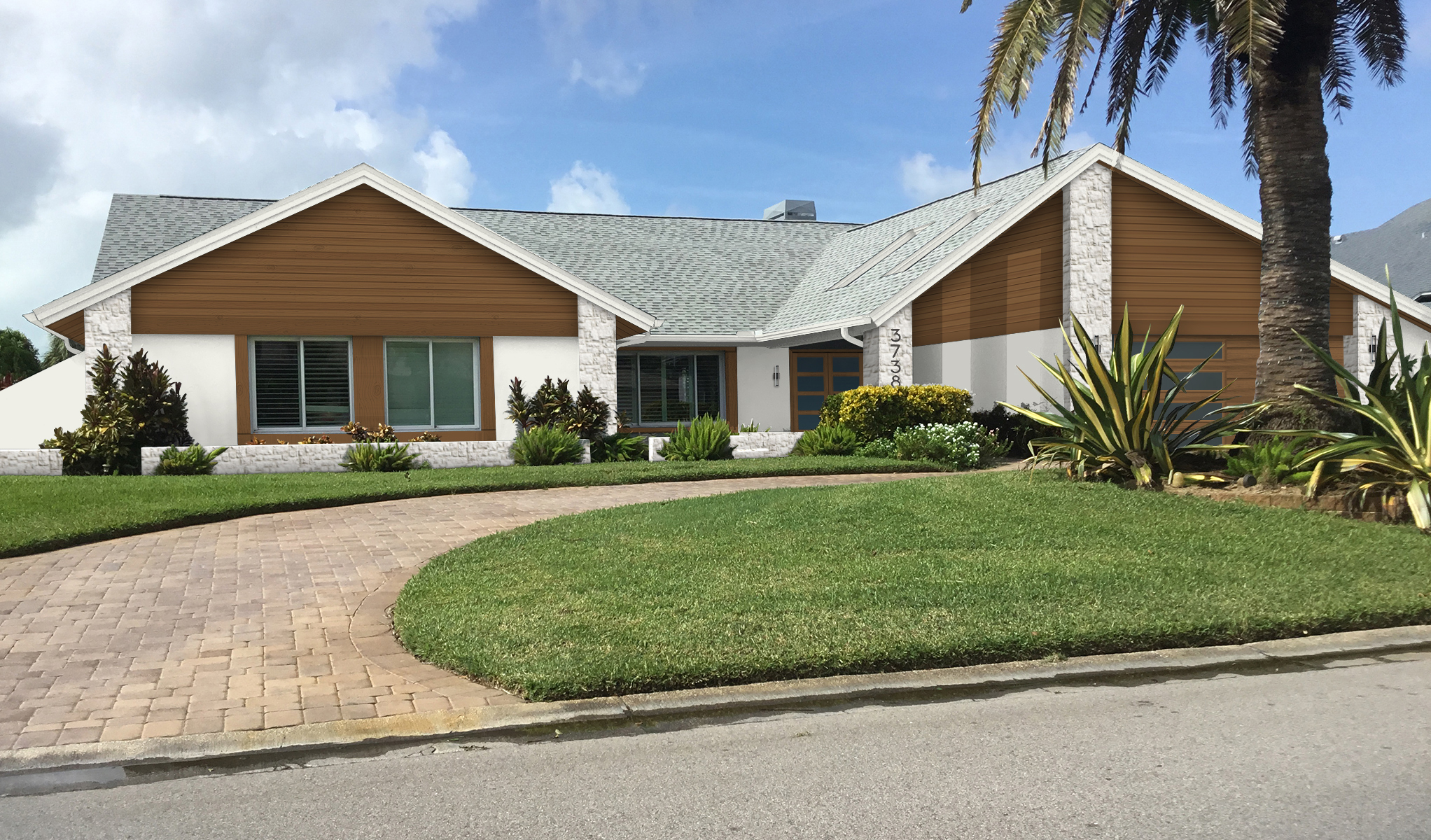
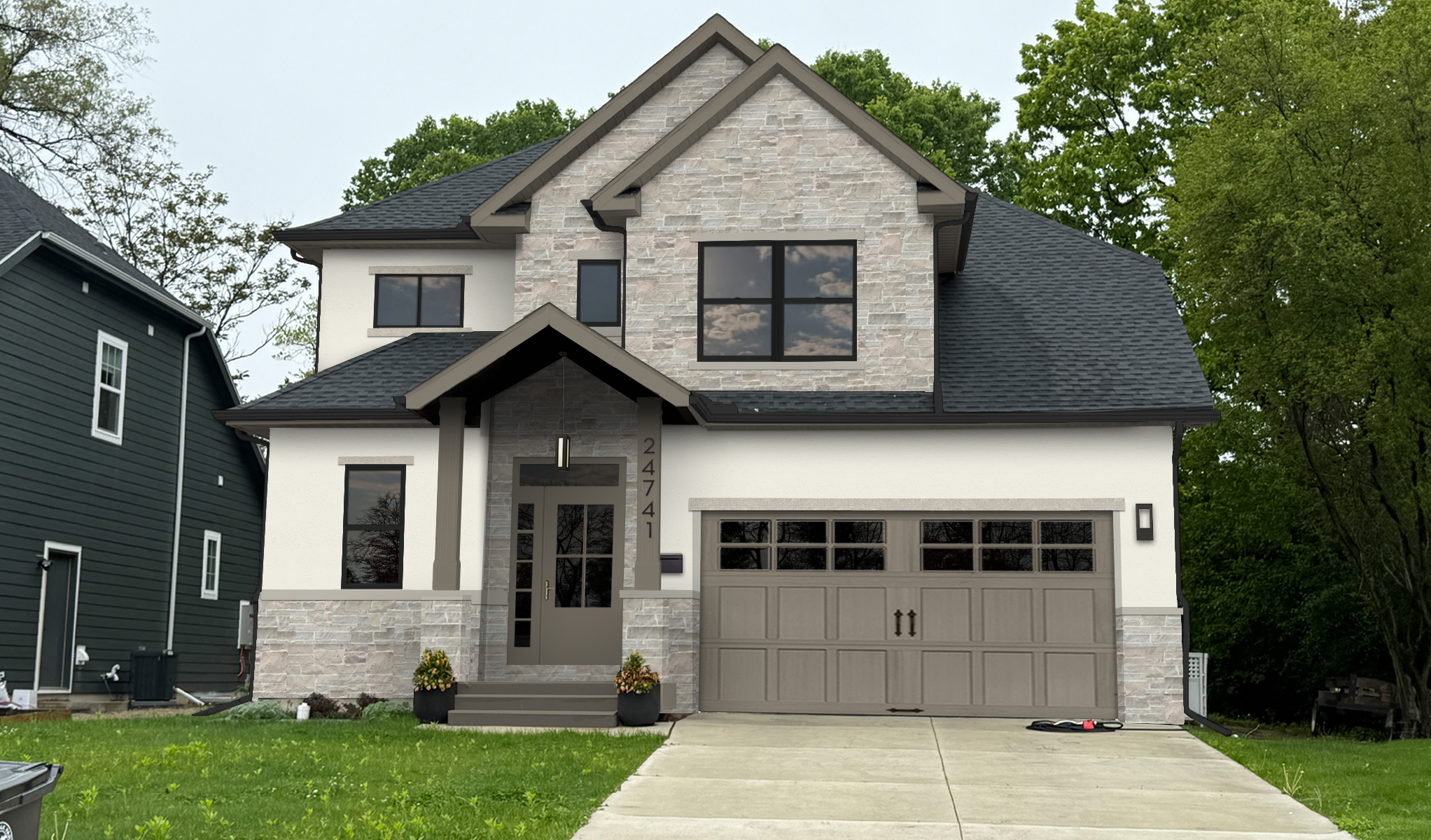
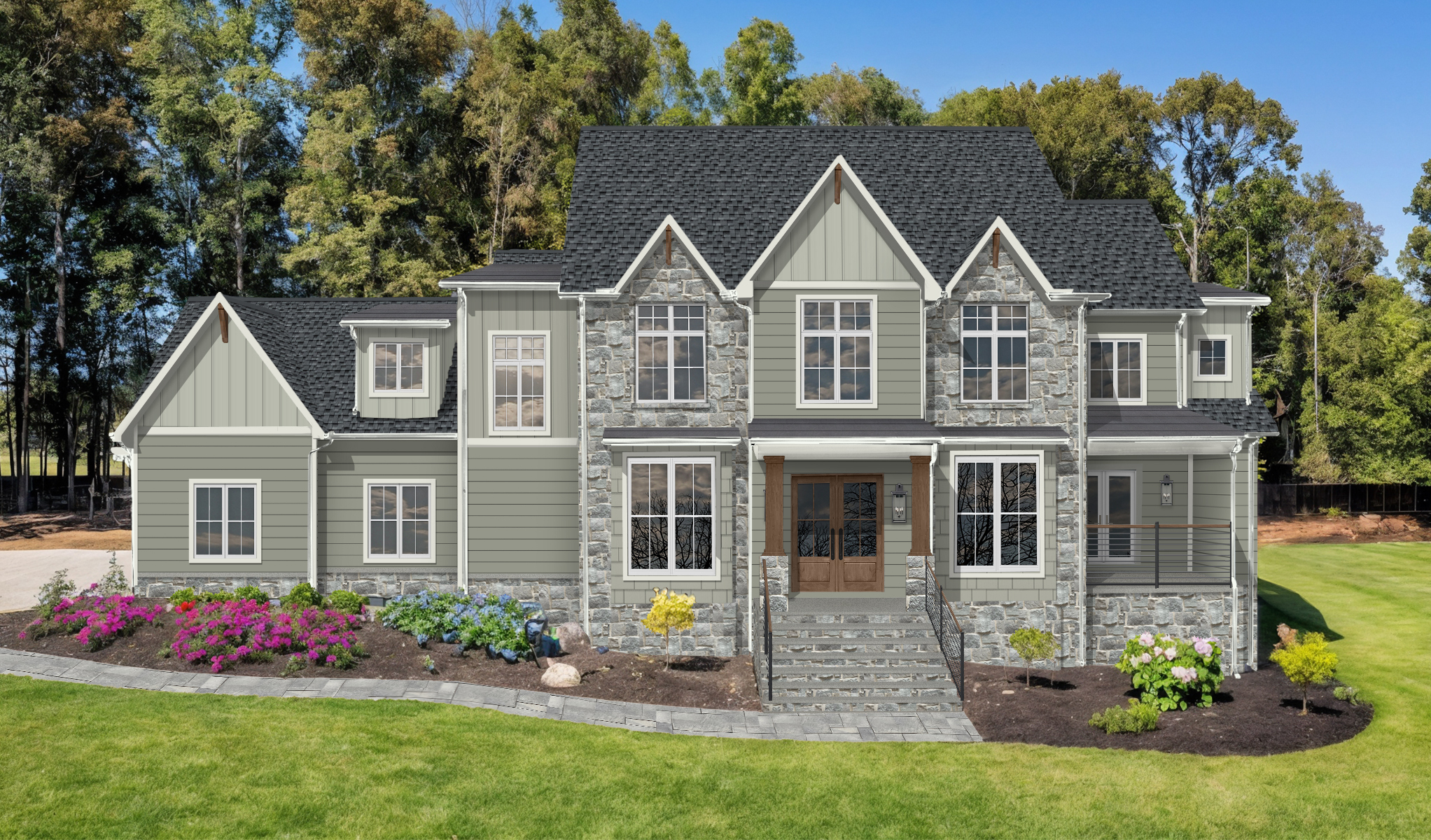
Stone is another classic home exterior choice. It puts emphasis where it is laid and can really enhance the exterior of a home. There are so many ways to use stone on the exterior of your home, and the type of stone used can give the house either a traditional or modern flair.
? Exterior First Floor. The façade of the first floor, or part of the façade, can be covered in stone while the rest of the house is siding.
? Large Columns. A two-story tall column made of stone is impressive for the entryway of a home.
? Chimney. Stone accents on the chimney give a classic look.
? Landscaping. Stone pathways and walls can also be incorporated into the landscaping to tie into where it is used on the house itself.
It is best to match the style of the house with the placement of the stone. For example, Craftsman homes look great with a moderate application of stone used with other details like plank siding or shingles. Traditional houses sometimes have a large amount of stone. Houses made of adobe or stucco look great with matching stones of a similar palette.
6. Metal Awnings
A metal awning is a covering that is attached to a home to provide shade. Metal awnings are usually installed over windows or doors or over an exterior patio or deck. They can be made out of several kinds of metal including copper, aluminum, and steel. Depending on the type of metal used, awnings can be painted or coated with an anti-rust solution which allows the awning to stand up to the elements.
Metal awnings are very durable and are able to withstand everyday wear and tear. One that is well-maintained and of high quality can last for decades so it is well worth the investment. Metal is easy to clean so they are low-maintenance additions. Since they can be treated like a metal roof, they can be resistant to mold, mildew, and rust.
Choosing the Right Material for the Exterior of Your Home
Choosing the right materials for the exterior of your home can be challenging, especially if you plan to use more than one type of material. The characteristics of each material are important depending on your location, climate, house type, and budget. Not sure where to start? Dzinly.com can give you an idea of what different materials will look like on your exact house based on the exterior design. Our designers will work with you to determine the best choices given your preferences and the characteristics of your home.



No comment on this post.