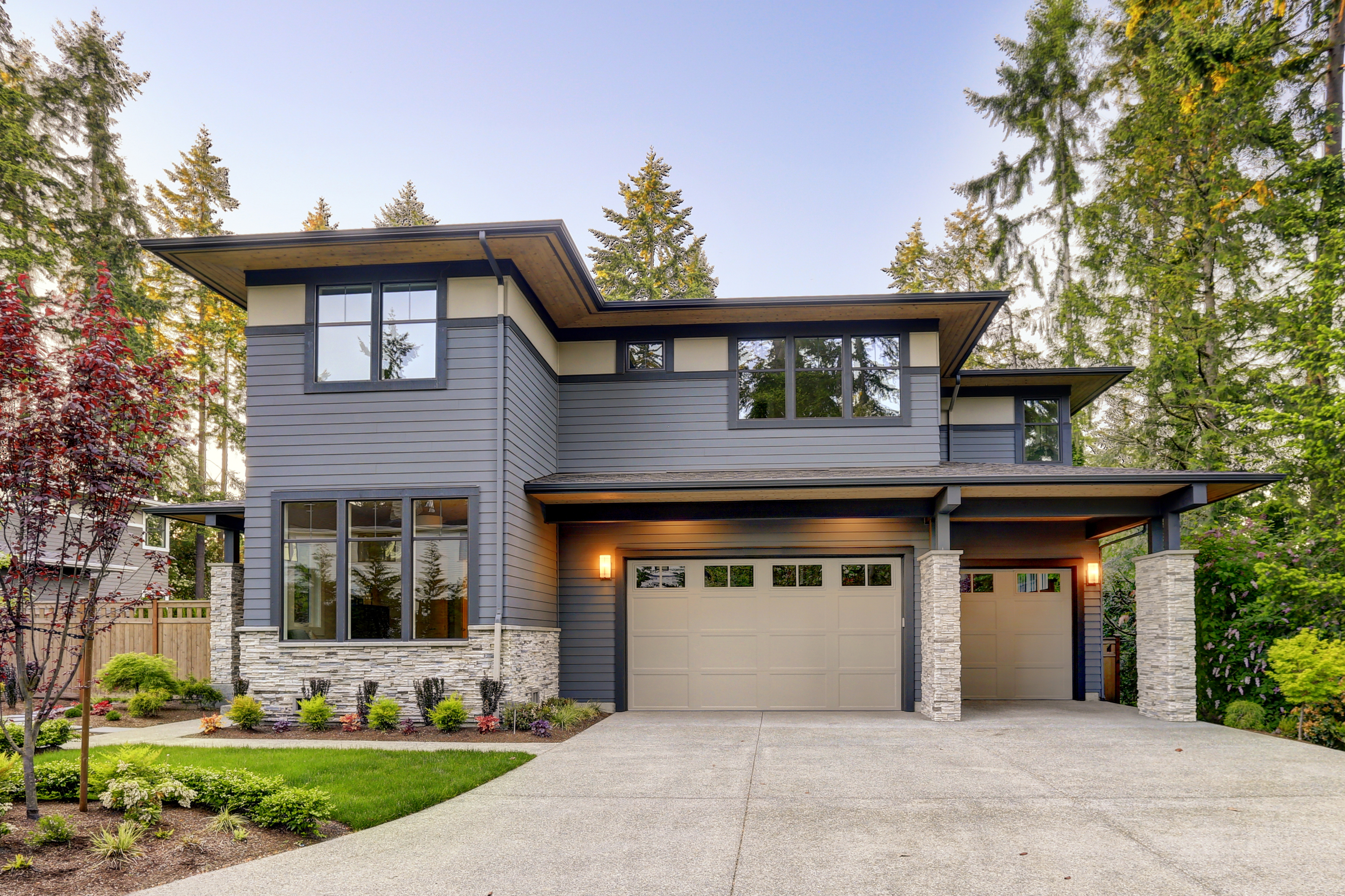
Building or renovating a home is becoming very expensive due to the rising cost of building materials. Prices of certain building materials have doubled or even tripled over the last two years due to the pandemic and supply chain shortages! This year’s trend of natural elements and copper accents on the exterior of your home can be an expensive undertaking. Stone, brick, copper, metal, and natural wood are not budget-friendly materials. However, you can create the look of more expensive building materials even if you are on a tight budget.
Get Creative with Exterior Building Materials
Most homeowners think about traditional construction materials like wood, concrete, and brick, but there are other alternatives that can help lower the cost of building or renovating your home. However, if you want to save money on construction or renovation of the exterior of your house, you will need to get creative with the design and building methods as well as be flexible to use materials that might not be considered ‘traditional’.
This is your opportunity to find other materials that still work with your vision. Different materials can be used depending on the type of climate and local building codes, and less expensive choices are available that are also more environmentally friendly. Discussing material options with your builder can help achieve the look you want without going over budget.
Prefabricated Panels for Exterior
Exterior home renovations can get pricey because there is a lot of area to cover. The external wall of a house is a high-priced item since it runs the entire circumference of your home, which means you will need a lot of building material if you are changing the exterior. Prefabricated panels are a cost-effective way to cover the entire house. These panels come as part of a system that allows you to build a custom home for less.
As an added benefit, homes constructed with these panels have a tighter fit between sections because they were put together in advance. The panels offer flexibility in the building as well as the materials as they can be easily incorporated into the design of the house. Prefabricated panels save on labor costs and time to install, but they also reduce on-site waste removal costs and eliminate material cost delays because of shortages of materials, which is a big issue in new construction with today’s supply chain issues!
Some prefabricated panels such as Structural Insulated Panels (SIP) use the latest technology and techniques to make them sustainable as well. They contain a high percentage of recycled materials and can be disassembled and reused. These panels are also energy efficient because they are made with air-tight expanded polystyrene insulation that reduces heat loss and gain.
It is estimated that a home that uses prefabricated panels as opposed to building the walls on-side will decrease costs by 10 to 20 percent. In addition, cost-effective and flexible prefabricated panels do not have material cost overrun issues, or delayed construction due to weather conditions making them very easy to work with.
Concrete
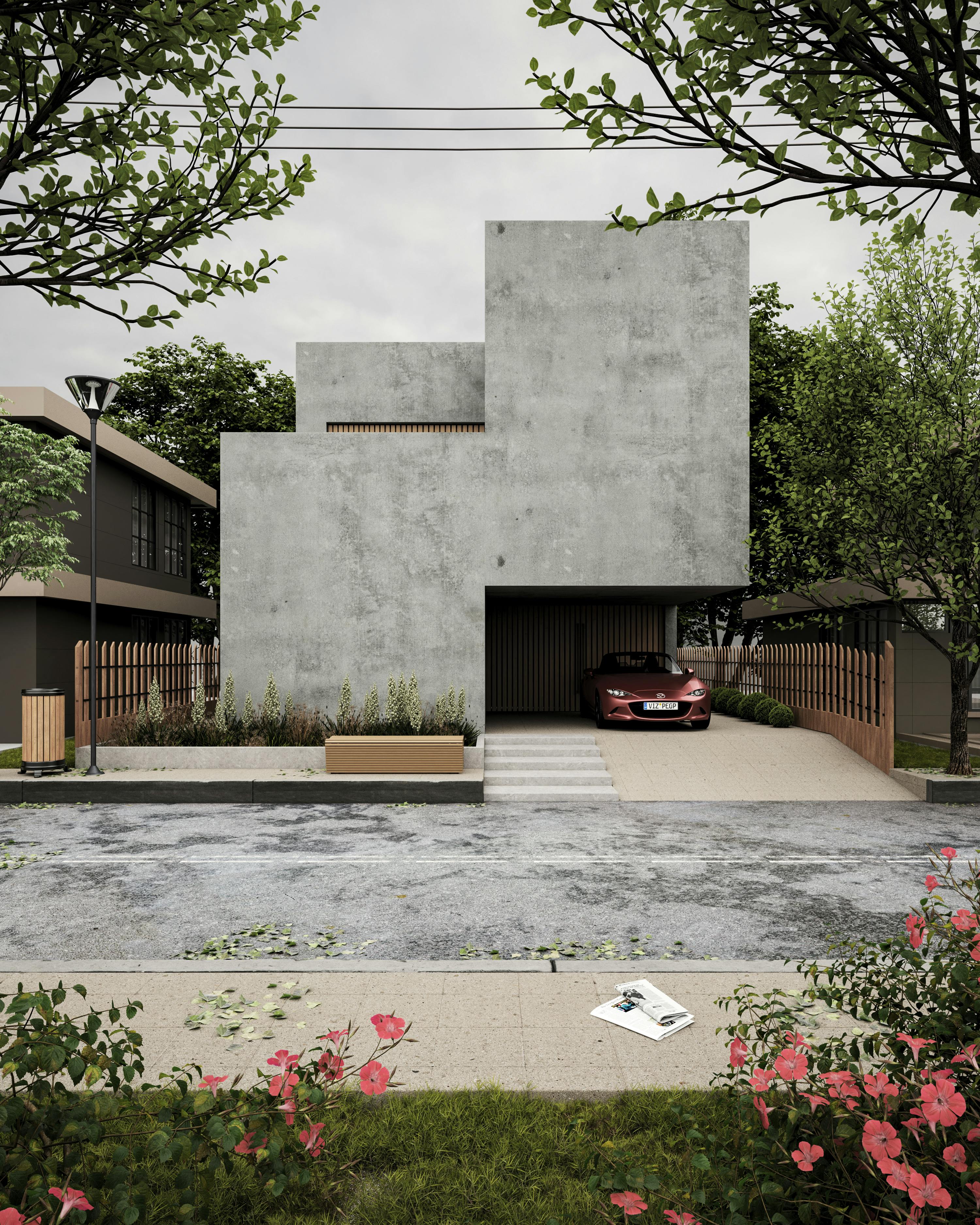
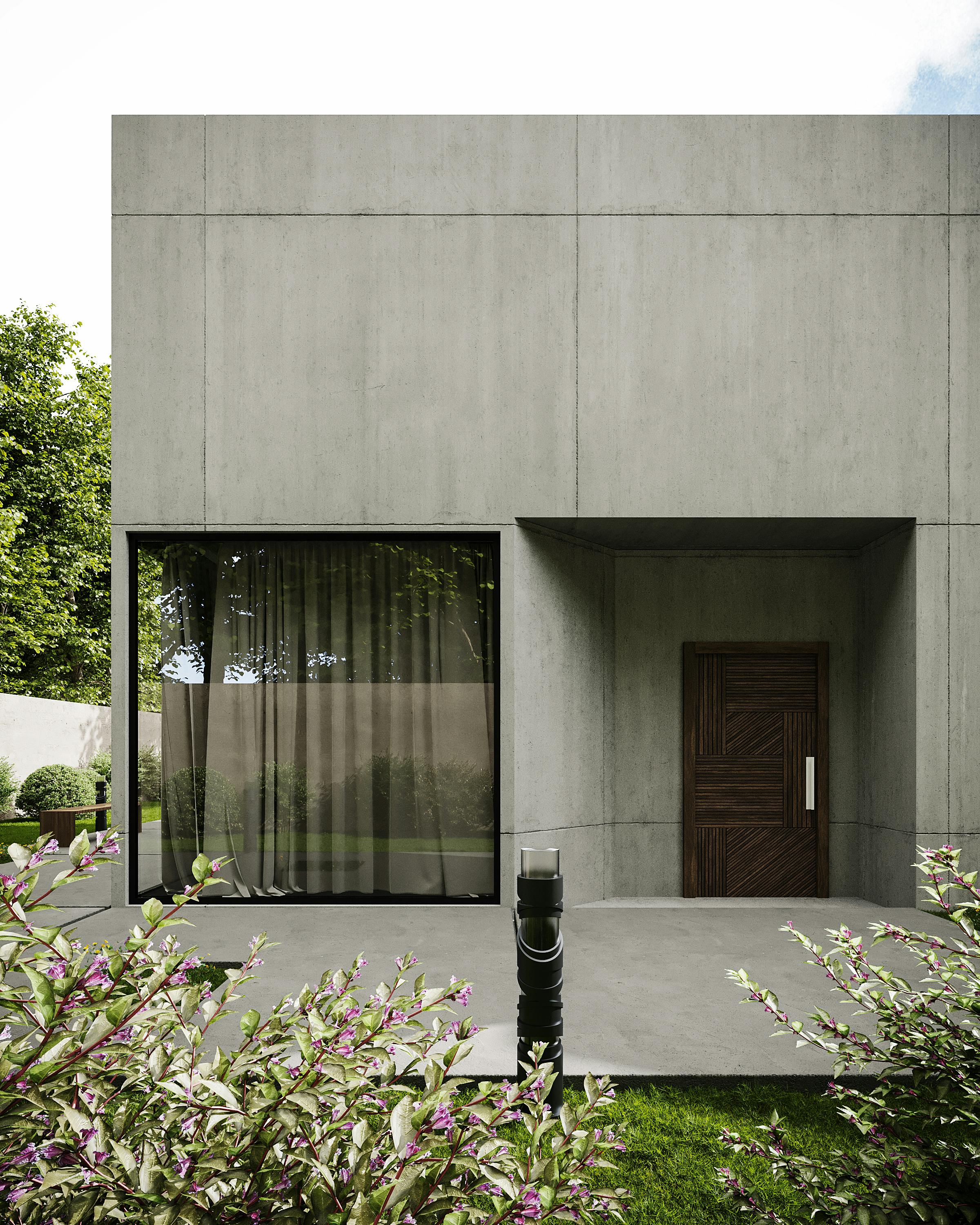
If you are looking to build or renovate a home on a budget, concrete might be the material for you as it is one of the most cost-effective materials. Concrete has become a popular choice for the exterior of residential homes worldwide and is now getting attention in the U.S. When done correctly, it can make for a stylish, modern home. Concrete sheets or panels allow homeowners to achieve the look of concrete for less. They are quick to install and stable and sturdy making them durable against different weather conditions, such as floods and earthquakes.
Because they are also prefabricated, they have the benefits of prefabricated panels, and since they do not contain any organic materials, will never have mold or mildew. Plus, they are fireproof, which saves money on insurance.
Stone Cladding
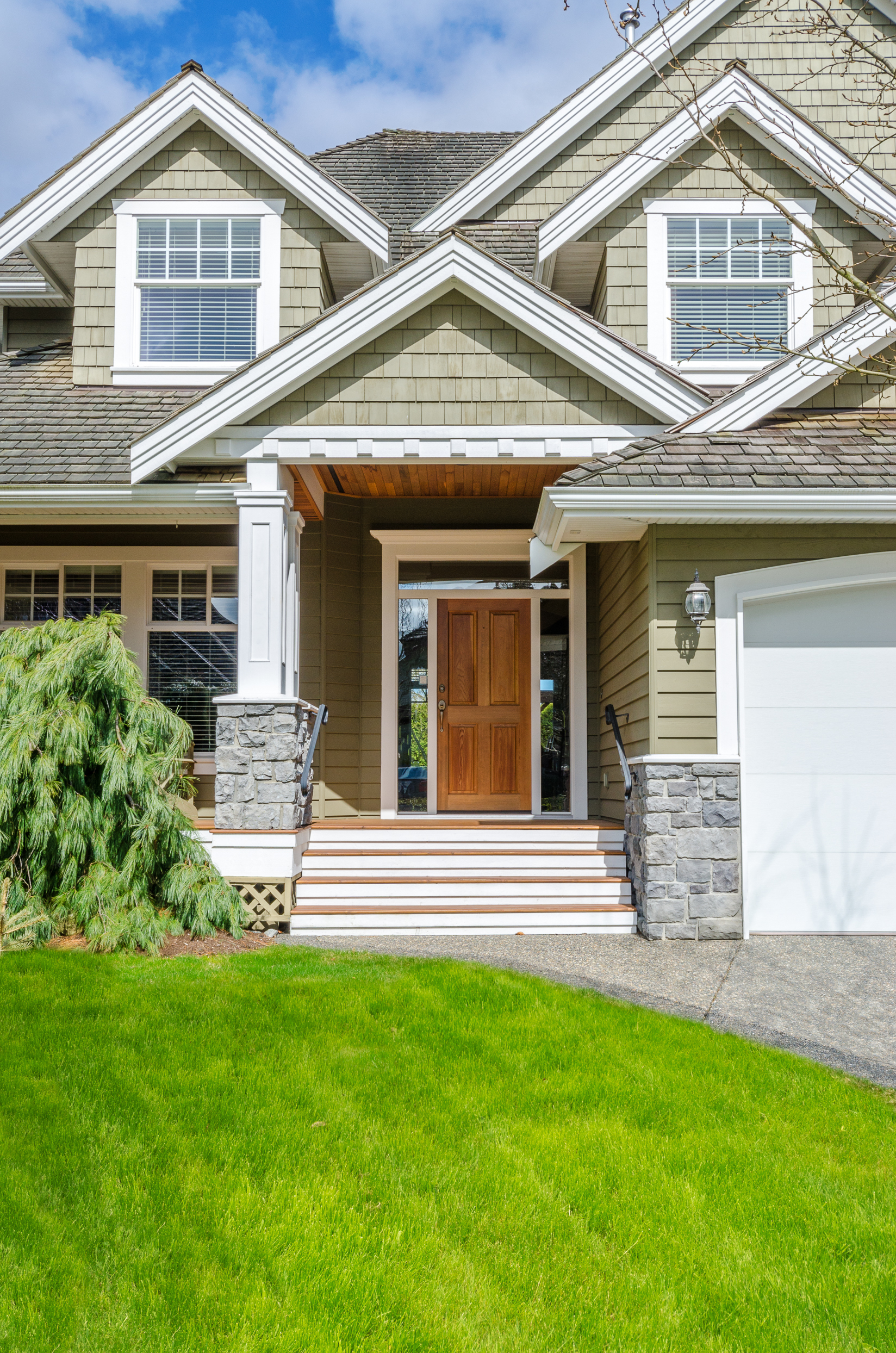
Stone is a very traditional and beautiful material for the exterior of a home, which many homeowners want, but it is not exactly a budget friendly material. Stone cladding offers a way to get the look of stone for less. Cladding is similar to a veneer that is applied to the exterior of the home. Stone cladding can be used for the entire façade of the house or just the front entryway, or the chimney area. Because it is lighter than regular stone, the costs to purchase and install are much lower. And it gives you design flexibility as it comes in different types of stone finishes, so it makes for a great material for a renovation as well when you are looking to change the look of your home.
Reclaimed Wood
Reclaimed wood is quickly growing as an option for home exteriors. Not only is it eco-friendly, but it can also be a unique choice because it is sourced from different old places like factories, boats, barns, and warehouses. Many homeowners who have chosen reclaimed wood for their renovation like that the house has history and a story within the material it was built with.
Reclaimed wood comes in finishes such as antique oak, antique ash, Douglas fir, antique elm, pine, or faded barn wood to name a few. The wood is renovated and updated while still maintaining the character and history of the wood. If you prefer a rustic or country home, reclaimed wood is a consideration. It might take a bit of an investment in time to find the exact wood you would like, but it is possible to save costs on the materials.
Metal, Iron, and Steel
Although once only used for industrial purposes, metals like corrugated metal, iron, and steel are being readily used in industrial-style homes. While the low cost of corrugated metal is appealing, metal sheets have other advantages. They are very durable, so great for harsh or extreme weather, do not rot, and are fire-resistant. The maintenance of this material is easy as it only requires a coat of paint or zinc coating to prevent rusting. Steel is similar in that it does not rot, warp, split, or crack. It is long-lasting and recyclable. Steel framing is sturdier and can be very cost-effective, especially for roofs.
Copper and copper accents have been increasing in popularity for a home’s exterior. However, copper is also quite expensive. Two other alternatives to natural copper are galvanized or weathered steel. This style of siding has evolved into using metal panels to achieve the same look through the finish and color that is chosen, such as Aged Copper or Copper Penny. These materials can also be used as accent pieces on the exterior of a home.
Vinyl Siding
No matter what material is used initially, there comes a time when the siding of the house needs to be replaced. Vinyl siding is a more cost-effective choice as compared to wood when refacing a home. In addition, the upkeep and maintenance for vinyl is much easier than wood. Wood siding requires treatment for termites, sealing for water damage, and re-finishing every five to seven years. In comparison, vinyl siding just needs to be pressure washed to keep the mildew and mold from adhering to the house. Vinyl comes in a variety of colors and textures so finding a personalized fit is easy.
Roofing
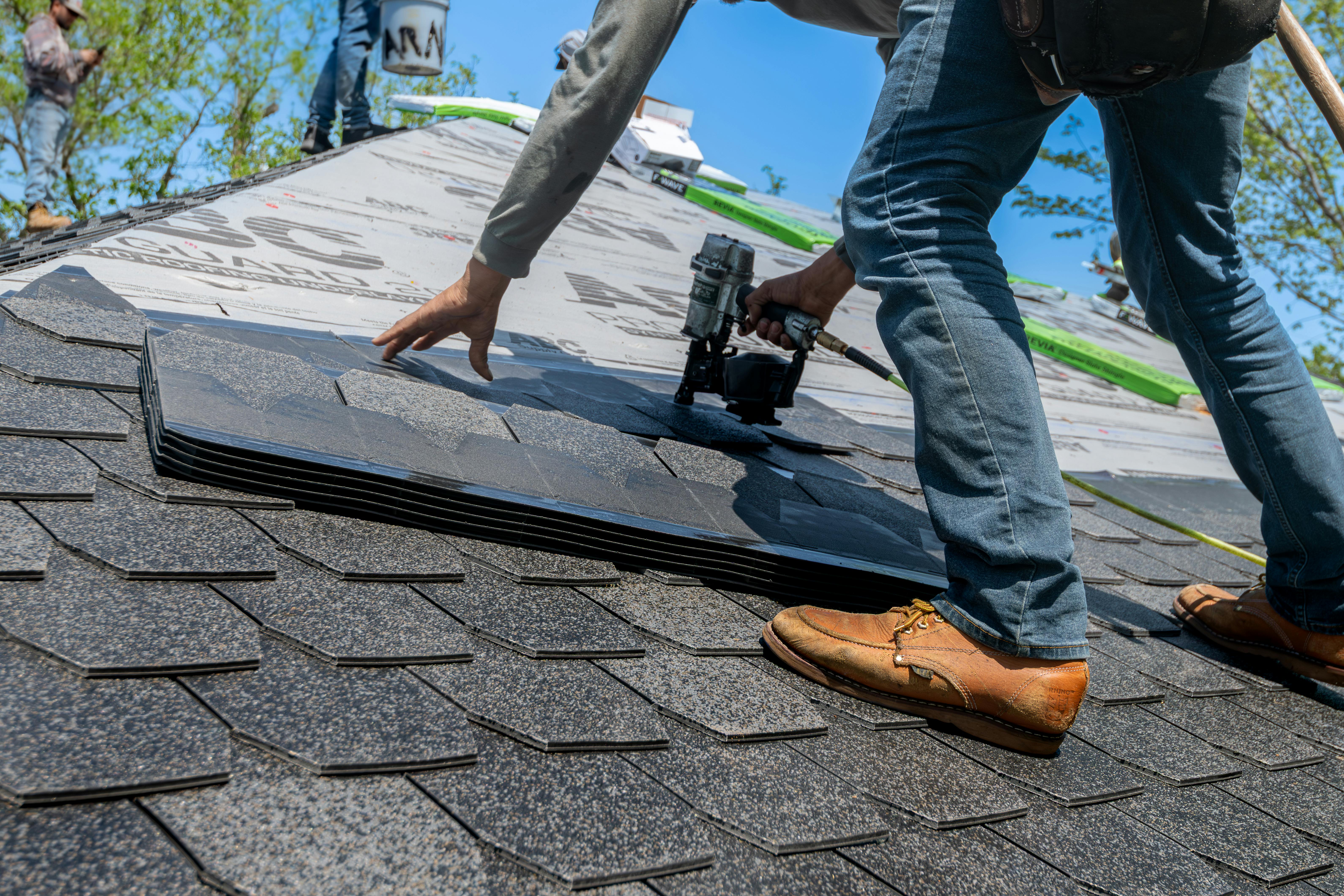
Replacing a roof is one of the more costly renovations on a home. But there are options to help keep the cost down. Some roofing shingles last longer than others. If you plan to stay in the house, a 50-year shingle may be a better choice than the traditional 30-year shingle. A shingle that lasts 50 years is thicker and more durable, so it cuts down on the long-term roof maintenance costs. Shingles need to be replaced less often and the roof lasts longer. They are a great option for homeowners that want to get the most out of their roof remodel.
If you're on a tight budget, asphalt shingles are going to be the most cost-effective roofing material.
How to Keep Costs Down Overall with a Remodel
With a home exterior remodel, planning ahead is essential if you want to save money. You want a clear idea of what the finished product looks like before you begin construction so that multiple changes do not increase the costs. It is also important to get good estimates from contractors so you know exactly what the project will cost.
When building or remodeling a home, it is recommended to discuss the house material cost per square foot with the builder from the start, regardless of your budget. There are other variables that go into the total cost other than the material cost per square foot. Some questions to consider are:
How long is the lifespan of the chosen materials?
What type of maintenance do they require?
Are they suitable for the climate the house is located in?
Will they cut energy costs and lower utility bills?
What is the labor time needed to install them?
These will give you a better sense of the lifetime expense and value of the chosen materials. It is also important to price out different materials as well as which is most appropriate for the climate where you live and local building codes.
Alternative Materials Can Keep Exterior Home Renovation Costs Down
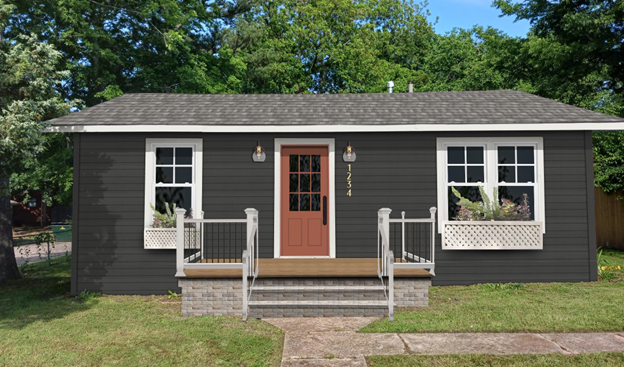
While lumber, stone, copper, and brick are classic and traditional choices for the exterior of a house, alternative building materials can help to lower the cost of renovating or constructing your home. Dzinly.com can help take your transformation to the next level by allowing you to see exactly how your home will look with a new building material. We enable you to collaborate with the largest network of talented designers to get the exact home exterior you want.

_1769456624.jpg)
_1769456934.jpg)

No comment on this post.